Mahjong Sample Approval Checklist for Trade Buyers
A practical review of the tile faces, finish, accessory fit and packaging before you approve a production run.
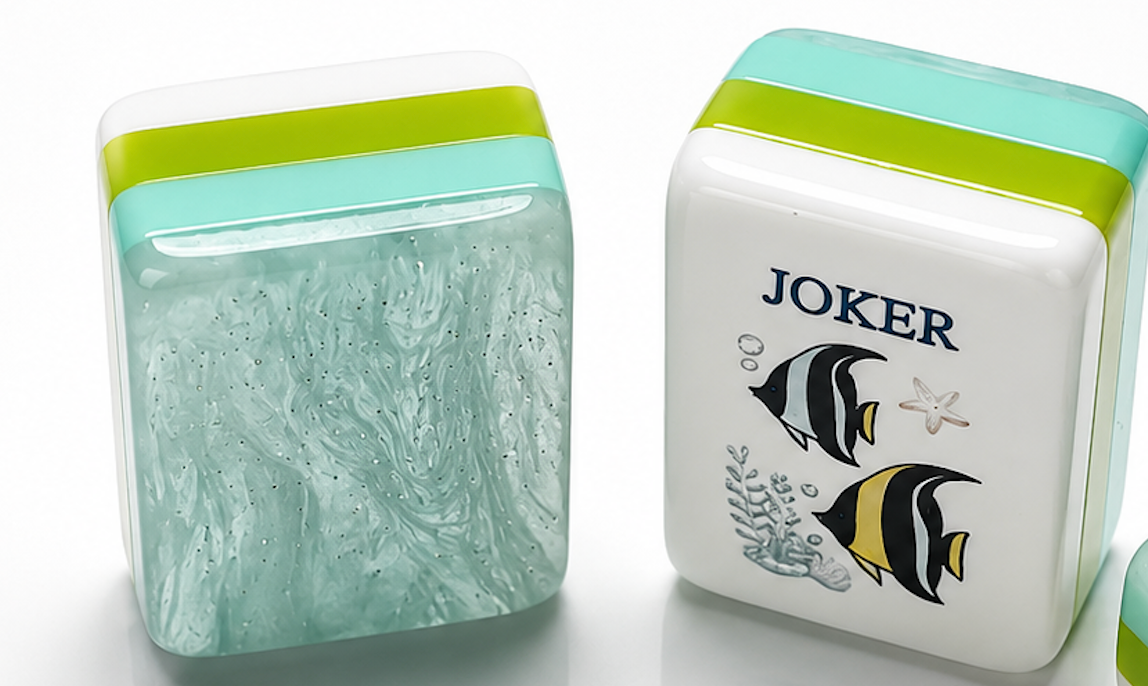
THE SHORT ANSWER
Approve a mahjong sample by comparing it with the written specification, not only with a website image. Check the complete inventory, dimensions, artwork, color, finish, accessory fit and packout. Record each change and keep the accepted sample and final file version together.
What to take into your next conversation
- Confirm what the sample represents before judging it.
- Review the assembled set as well as individual tiles.
- Separate required corrections from preferences and approve a named version.
Does the sample match the agreed specification?
Have the approved artwork and product inventory beside you when you open the sample. Confirm that the sample represents the configuration you intend to order. A reference sample may demonstrate a material or finish without representing every detail of a custom set; clarify the purpose before using it as an approval standard.
- Count the tiles and accessories against the inventory.
- Check dimensions and identify any agreed tolerances.
- Compare artwork versions, logos and packaging labels.
What should you inspect on the tiles?
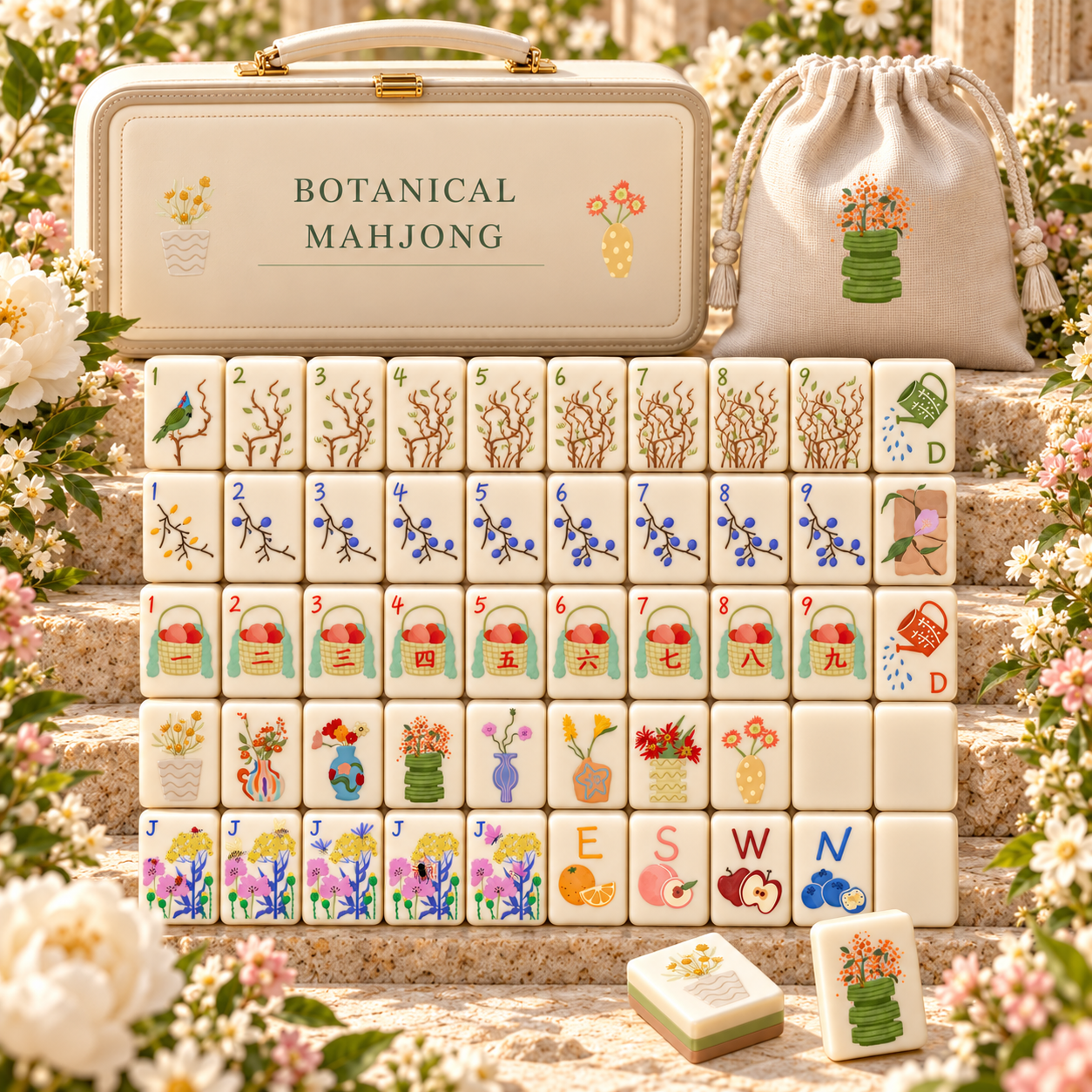
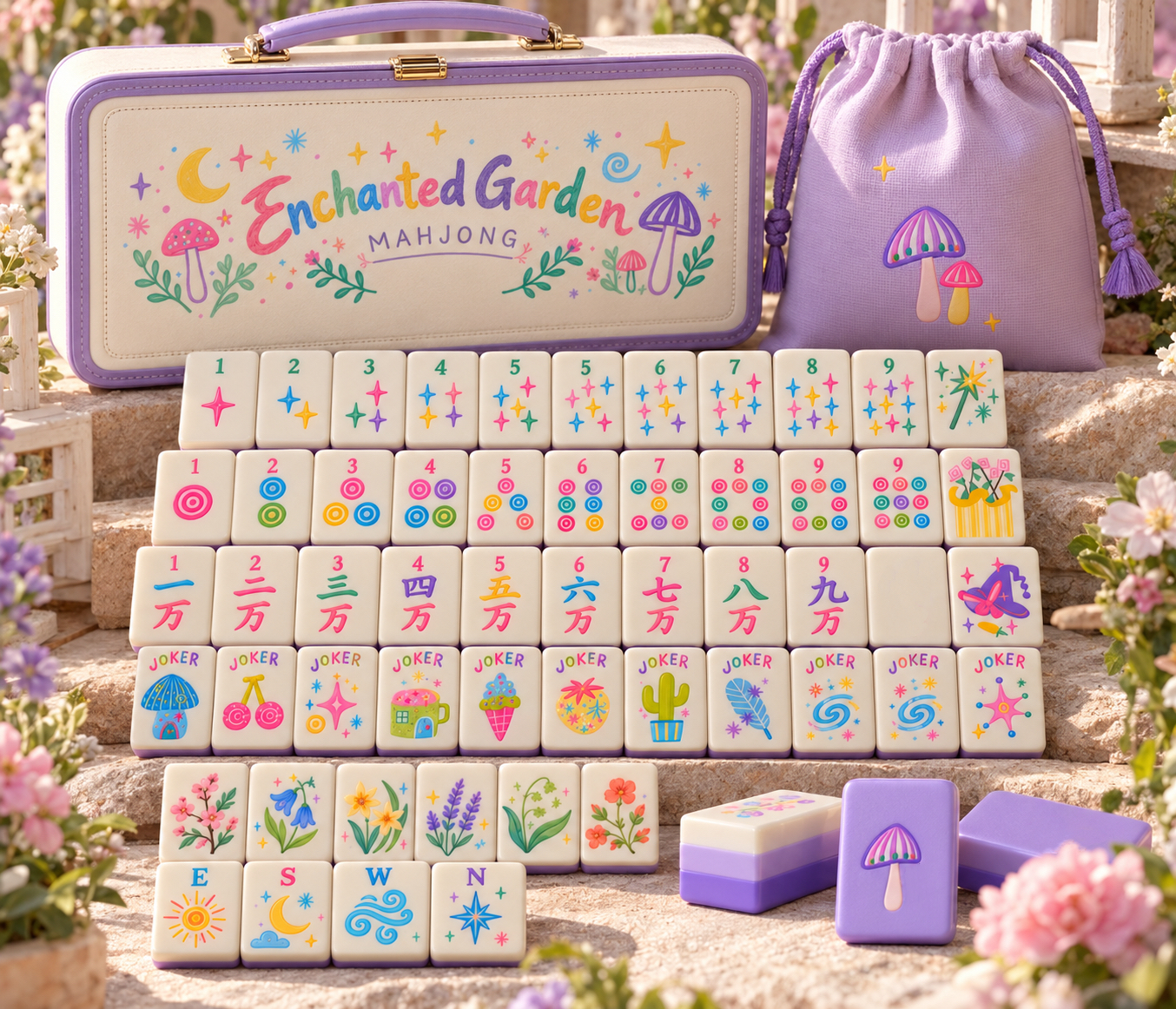
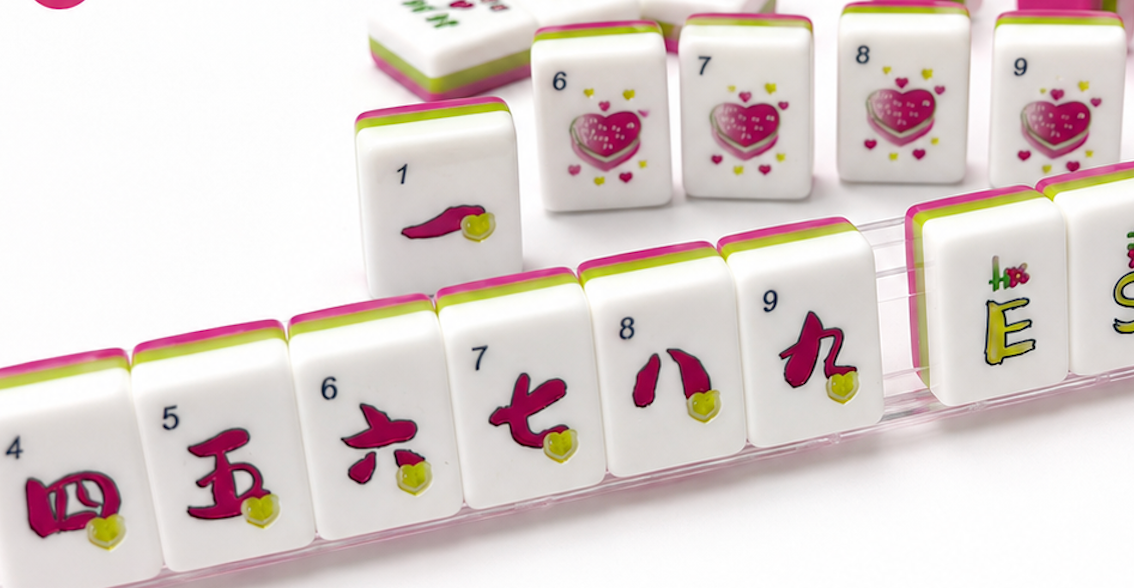
Examine face detail, color consistency and edge finish under good light. Check both sides and the corners. Handle and stack the pieces, and consider whether the artwork remains clear at a normal playing distance. Photographs help record your review, but they do not replace checking the feel of the physical sample.
Do the accessories and packaging fit the full set?
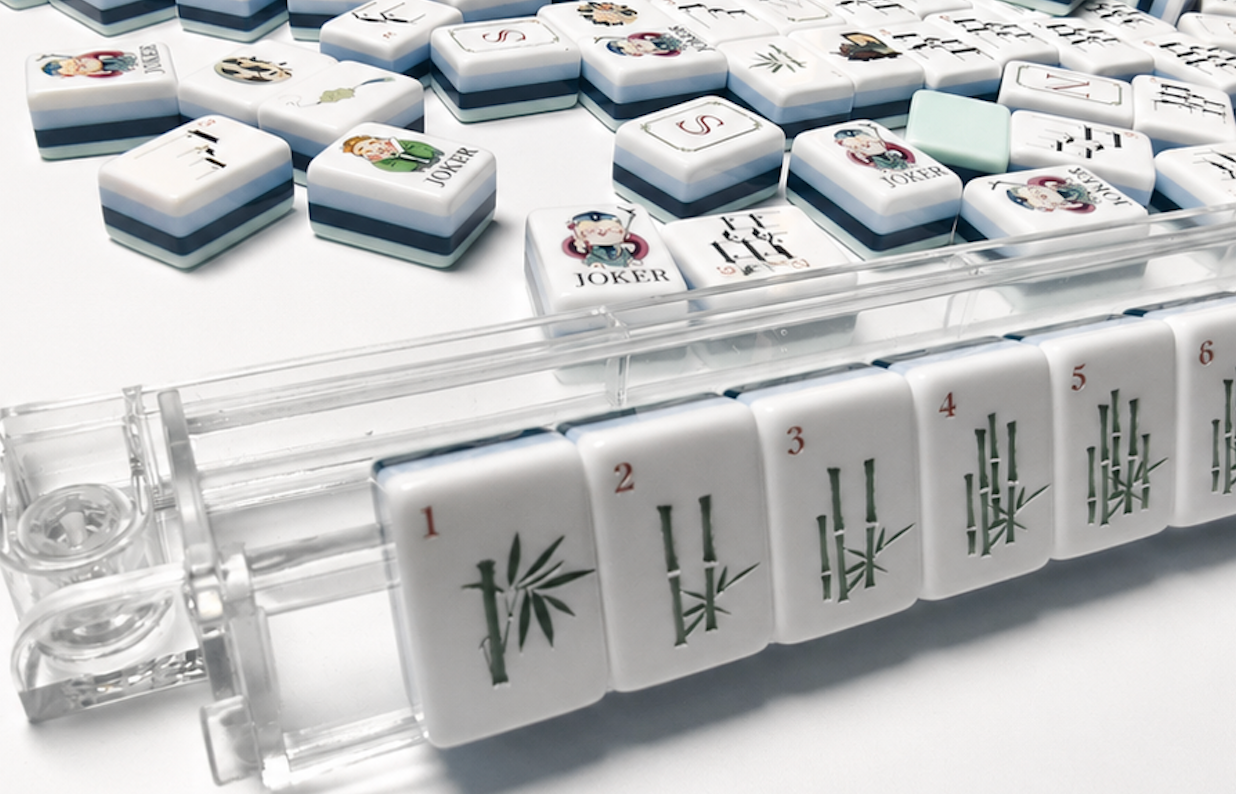
Try the tiles with the intended racks and pushers. Place the complete contents in the case or bag and check how the pieces are separated and protected. Inspect the mat, seams, closures and printed packaging where they are part of the order. A coordinated appearance should also work as a complete product.
- Check rack fit with the actual tile dimensions.
- Make sure the case holds every included component.
- Review how the product will be unpacked and stored.
How should approval or corrections be recorded?
For each issue, identify the piece, describe the difference and attach a clear photo. Separate required corrections from preferences. Confirm which changes need another sample and which can be checked through an updated proof. Keep the final sample and written specification together: they provide a shared reference for the production review and any later reorder.
Common questions
Can a reference sample approve my custom design?
Only to the extent agreed in the sample scope. A reference sample may demonstrate a material or finish while using different artwork or contents. Identify what still requires approval.
Should I keep the approved sample?
Yes. Keep it with the dated specification, artwork version and written approval so there is a shared reference for production review and later reorders.
Does this checklist certify a product?
No. It is a purchasing checklist. Project-specific acceptance criteria and any applicable testing or documentation requirements must be agreed separately.
Sources & editorial notes
This article provides CX’s practical planning guidance. It does not report independent product testing or establish a universal manufacturing standard.
Product images and reference dimensions come from the CX collection materials. Materials, tile inventory, included accessories, minimums, pricing and delivery must be confirmed for the specific project.
Prepared by CX Editorial. Corrections and content updates.
PUT THE GUIDE TO WORK
A better brief starts with the right details.
Choose a collection and bring the decisions you have made into your project brief.
Prepare your project briefExplore collections