How to Prepare a Custom Mahjong Artwork Brief
Organize tile artwork, colors and references so the important design decisions can be reviewed together.
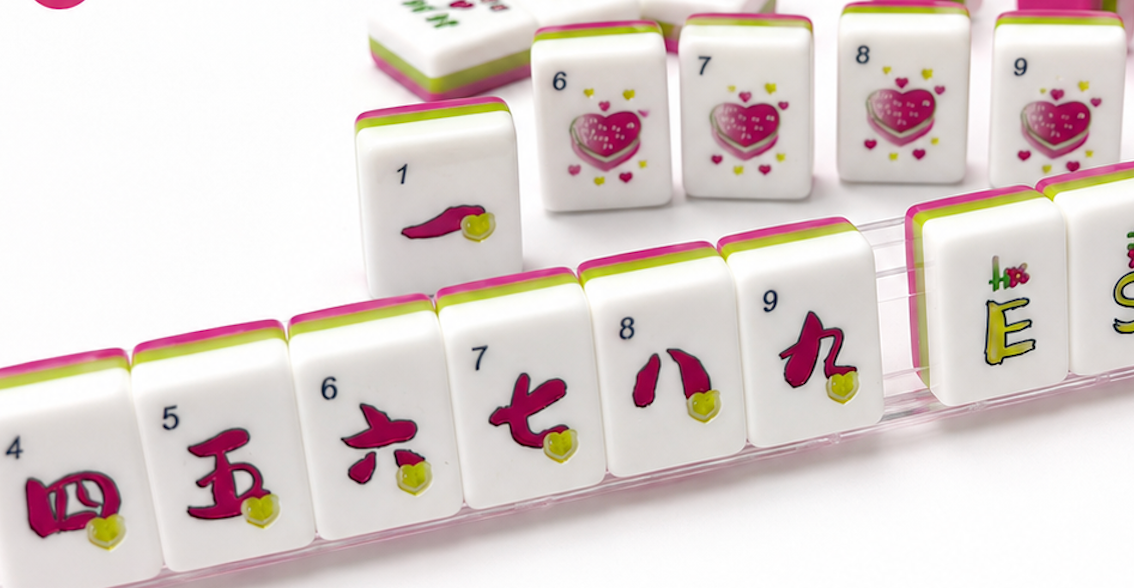
THE SHORT ANSWER
A custom mahjong artwork brief should connect every unique tile face and back design to a named file, a quantity and an approved version. Add color references, dimensions and separate accessory or packaging artwork. Identify unfinished ideas so they are not mistaken for production-ready files.
What to take into your next conversation
- Keep inspiration images separate from production artwork.
- Pair every unique tile design with a quantity and file version.
- Approve placement and physical color before production.
Is the artwork inspiration or a production file?
A moodboard can explain the feeling of a collection. Production artwork needs to explain what will appear on each piece. Mark reference images as references, identify the designs you own or are authorized to use, and state whether your artwork is ready or still being developed. You can begin a conversation before every file is final.
How should artwork connect to the tile inventory?
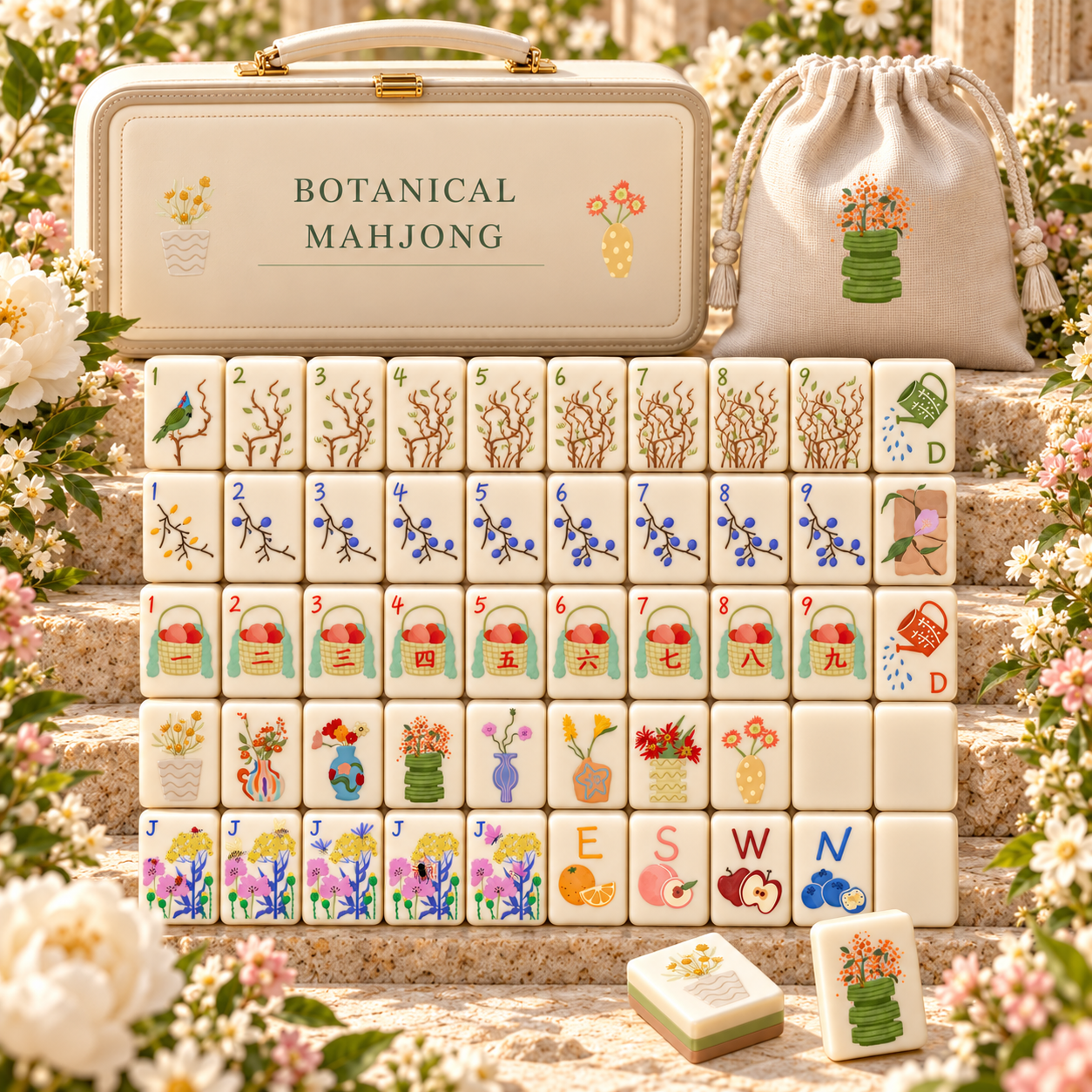
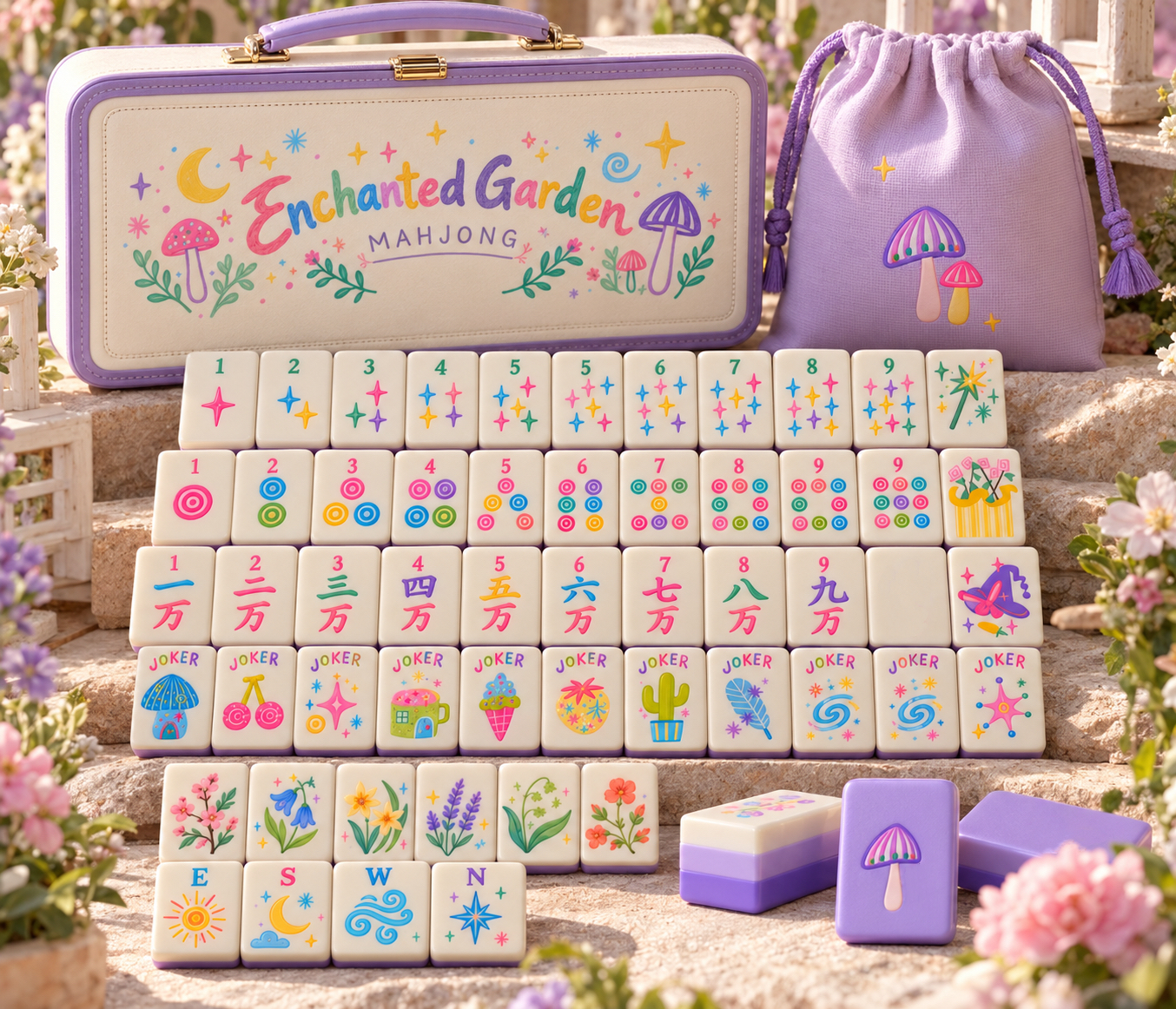
Create a list of unique tile faces and show how many copies of each face belong in the set. Repeated tiles can refer to the same artwork. Include the back design, spare tiles and any text that must remain legible. Use stable file names and a version number so the approved design is easy to identify.
- One named reference for each unique face and back.
- A quantity beside every tile design.
- Separate artwork for packaging and accessories when required.
What color and finish details should the brief include?
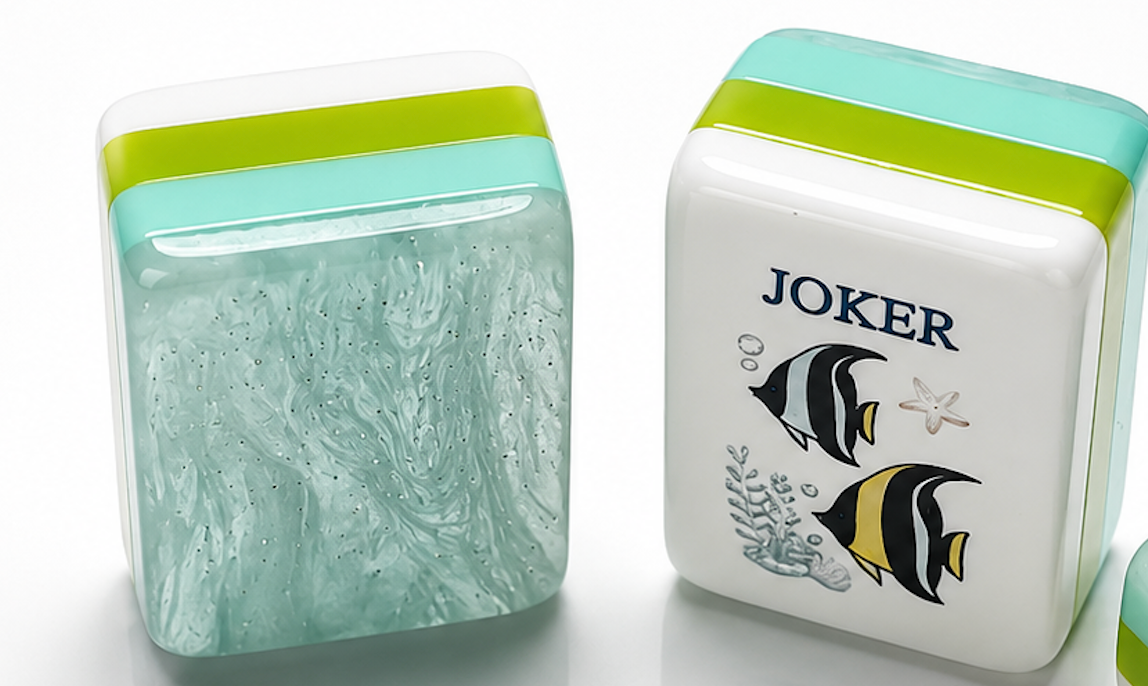
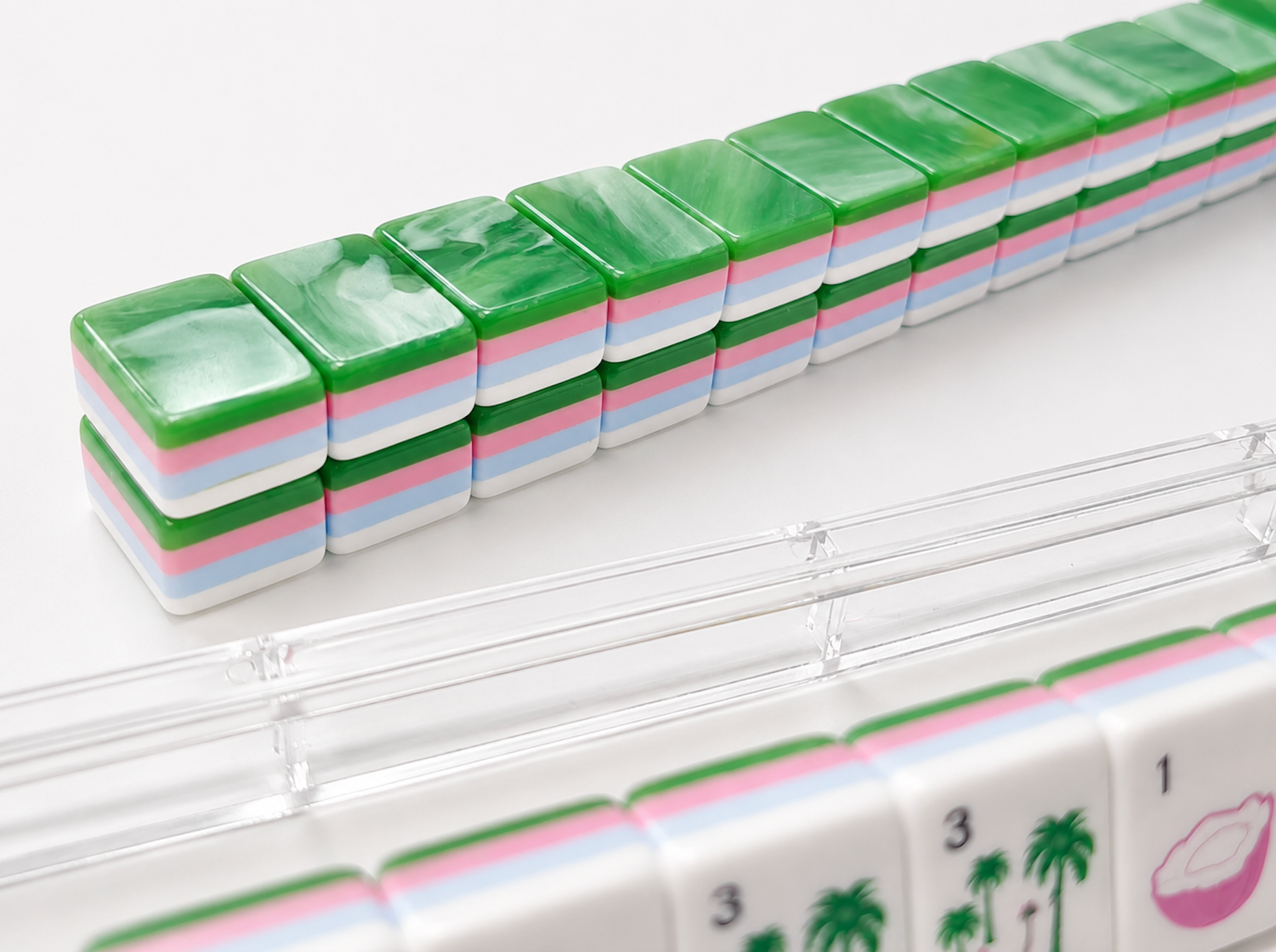
Share color references and identify where they apply: the tile body, an edge layer, a printed face or the packaging. Specify the intended dimensions and tell us which details matter most. File format, line detail, margins and color matching need to be checked against the selected material and process; they should not be assumed from a screen preview.
What needs approval before production?
Review the proposed artwork placement and specification before a sample is made. Check spelling, symbols, quantities, orientation and branding. Then review the physical sample for appearance, feel and fit. If something changes after approval, record it in a new version and confirm the effect on price and timing before proceeding.
- Approve the final file version in writing.
- Compare physical colors under consistent light.
- Keep one change list so feedback does not conflict.
Common questions
Do I need finished artwork before discussing a custom set?
No. A direction, reference images and a list of unresolved decisions can start the discussion. The production file requirements and any design assistance should be agreed before custom sampling.
Is a screenshot enough for color approval?
Use screenshots to communicate direction. Confirm the color reference and review a physical sample under consistent light before approving the final appearance.
What happens when artwork changes after approval?
Give the revision a new version identifier. Record what changed and ask whether another proof or physical sample is needed, together with any effect on cost and timing.
Sources & editorial notes
This article provides CX’s practical planning guidance. It does not report independent product testing or establish a universal manufacturing standard.
Product images and reference dimensions come from the CX collection materials. Materials, tile inventory, included accessories, minimums, pricing and delivery must be confirmed for the specific project.
Prepared by CX Editorial. Corrections and content updates.
PUT THE GUIDE TO WORK
A better brief starts with the right details.
Choose a collection and bring the decisions you have made into your project brief.
Prepare your project briefExplore collections