Choosing Mahjong Tile Dimensions and Materials
The measurements and sample checks that make a material description useful to a purchasing team.
THE SHORT ANSWER
Choose mahjong tile dimensions and material by writing down the exact height, width, depth, construction and finish, then reviewing a physical sample with the intended accessories. A material name, product photo or size label alone does not establish handling, color, fit or the finished specification.
What to take into your next conversation
- Label each dimension and keep the unit consistent.
- Ask for the actual material and construction rather than relying on a marketing label.
- Approve readability, handling and accessory fit on the same sample configuration.
Which tile measurements belong in the brief?
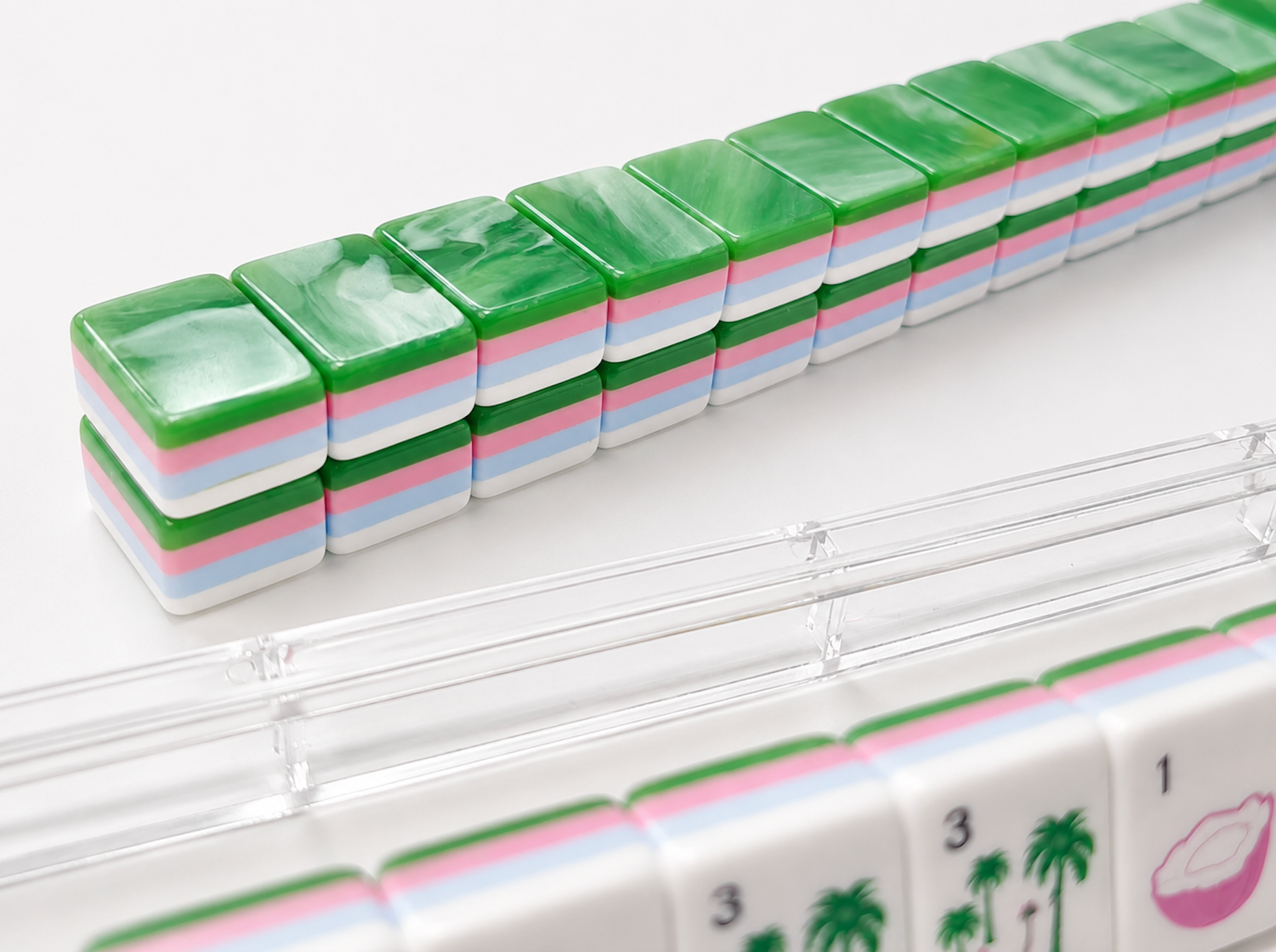
Record height, width and depth with a clear drawing or labeled photograph. If one document uses inches and another millimeters, retain the original measurement and agree the working unit for production. Avoid an unlabeled sequence of three numbers: the same values can describe different orientations. Ask what tolerance will be used for inspection, how it will be measured and whether that tolerance affects the selected rack or case.
| Specification | Question to settle |
|---|---|
| Height, width and depth | Which face and edge does each dimension describe? |
| Material and construction | What material, layers and surface process are being quoted? |
| Color and finish | Which references and physical sample define the accepted appearance? |
| Fit and handling | Which rack, pusher and storage configuration will be checked? |
How do CX collection size references differ?
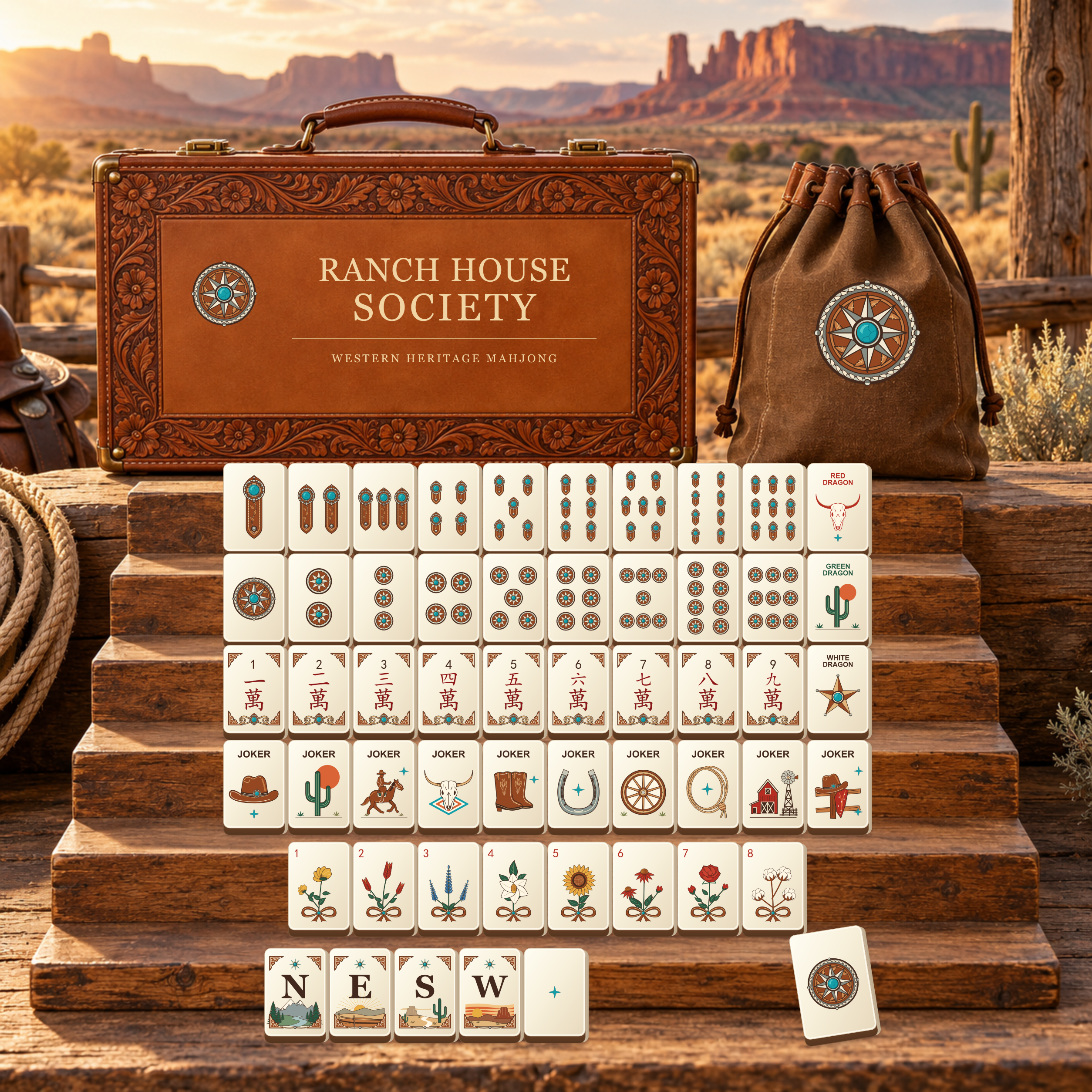
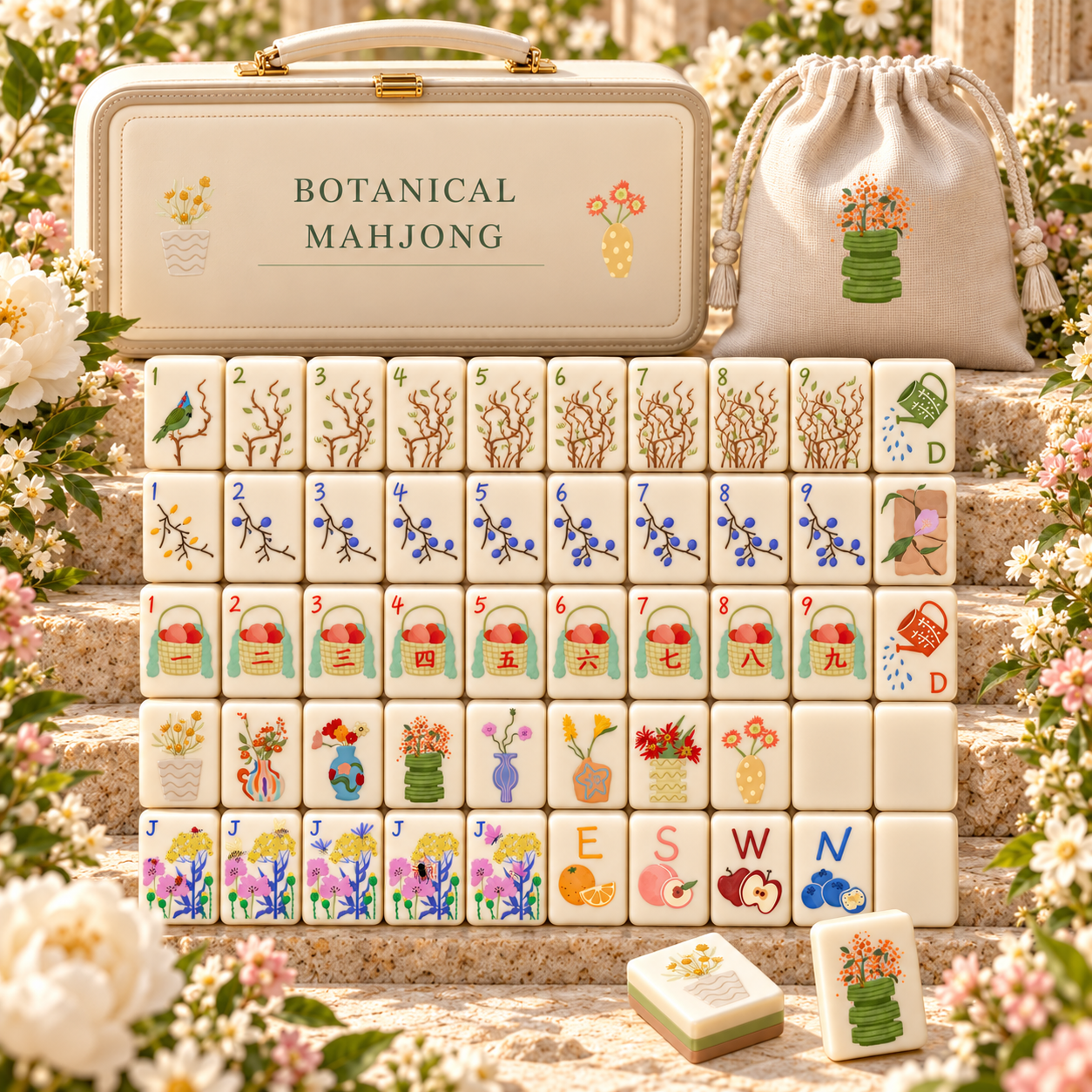
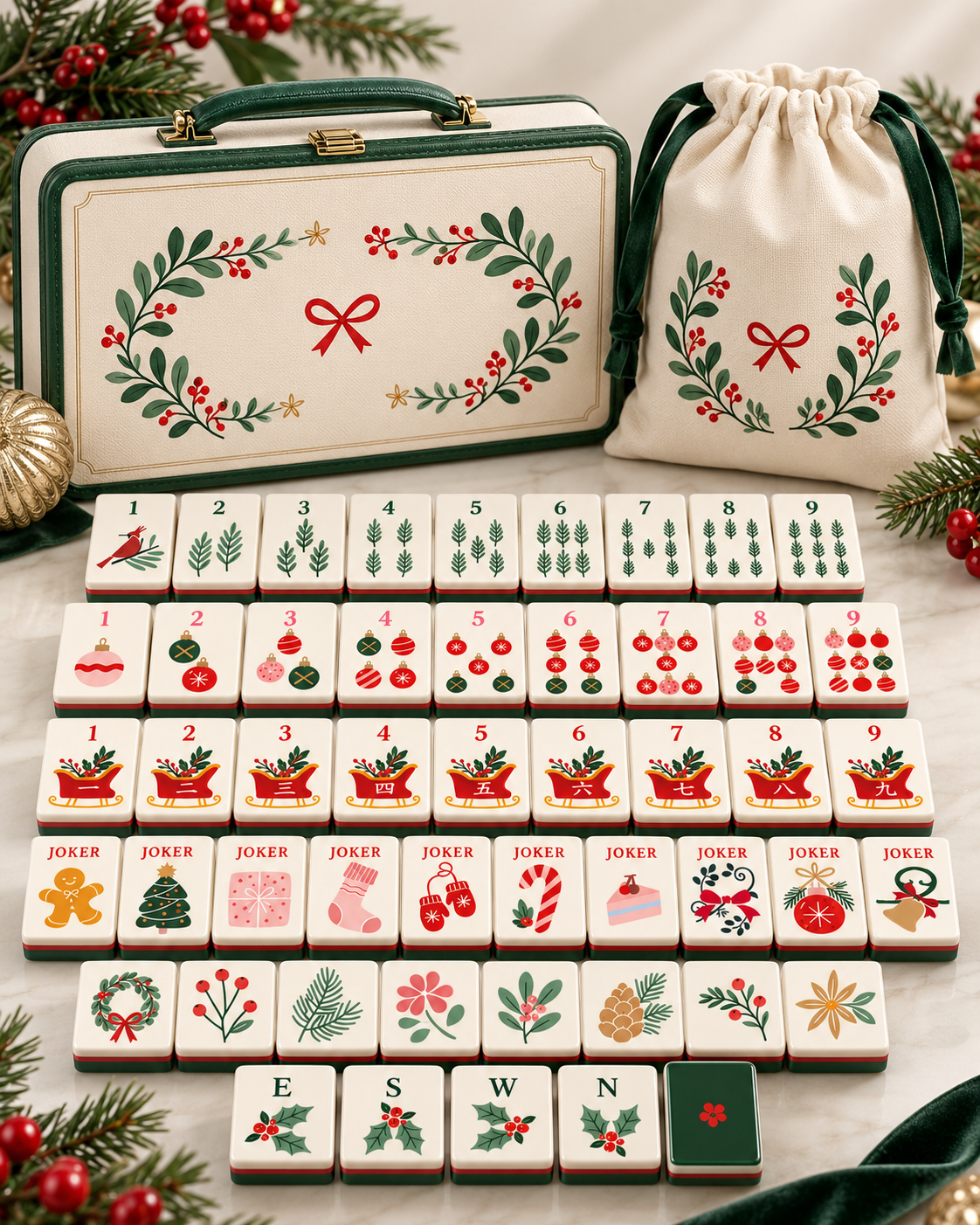
These entries describe the current original design concepts. Ranch House Society has a draft design specification; the other concepts still require project-specific dimensions. None is a physical sample measurement or a universal tile standard. Confirm height, width, depth and accessory fit in the approved specification.
| Original design concept | Specification status |
|---|---|
| Ranch House Society | 36 × 25 × 11 mm (draft design specification) |
| Bloom & Basket | To be developed with your brief |
| Christmas | To be developed with your brief |
What should a material description tell you?
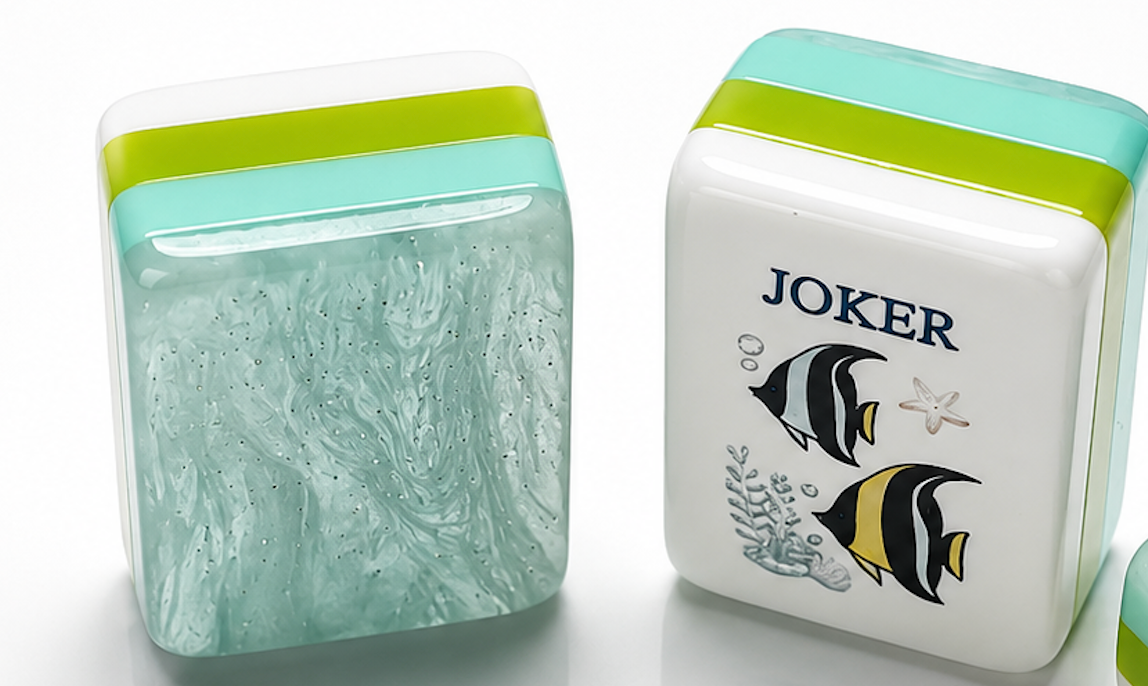
Ask the supplier to identify the material used for the tile body, any separate layers and the method used for the artwork or surface finish. Terms such as acrylic or resin should lead to a more specific discussion, not end it. A photograph cannot establish composition. If a material property matters to your project, state the requirement and ask what evidence or agreed testing will support it. Do not turn an unverified material label into a performance claim on the retail page.
How should you compare physical samples?
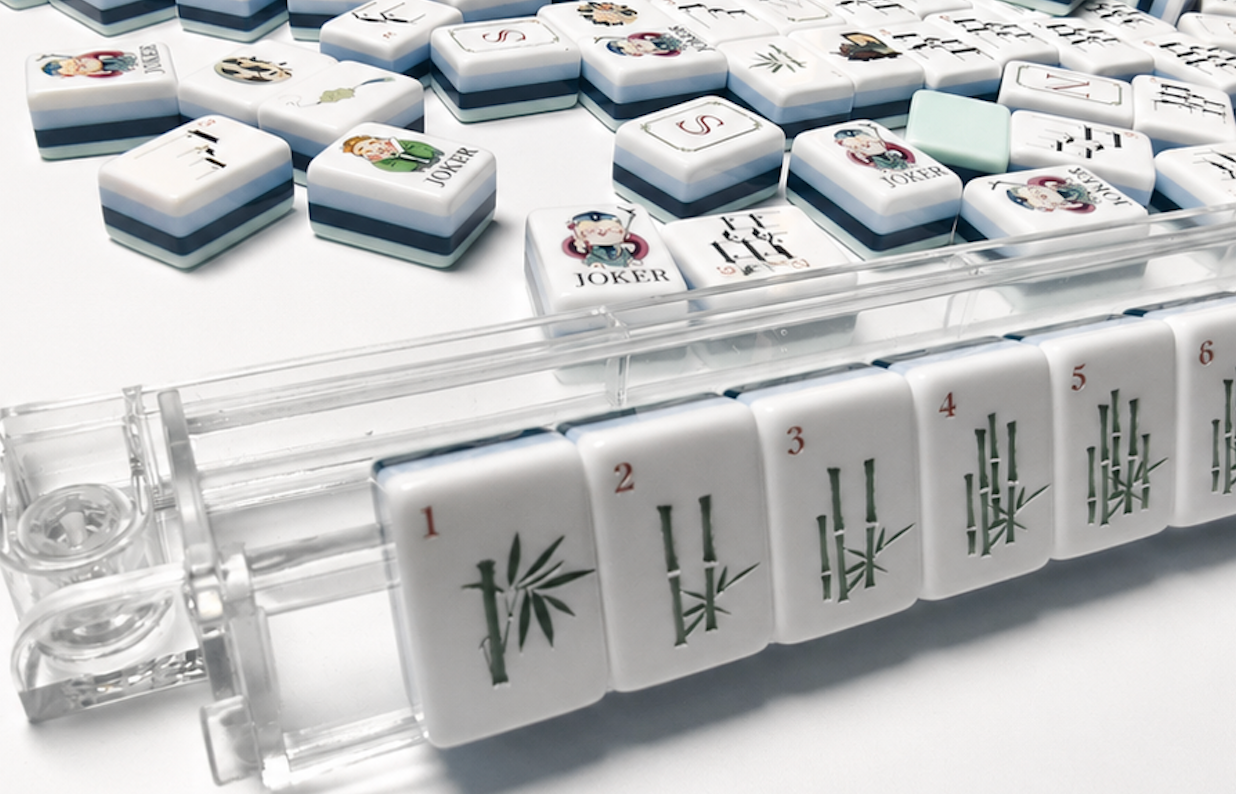
Review samples under the same lighting and with the same intended accessories. Handle, stand and stack the tiles. Read the faces from a normal playing position, including the smallest text and any easily confused motifs. Ask reviewers to describe a specific difficulty rather than simply choosing a favorite. Record the sample identifier, date and configuration so the observation can be traced to the correct version.
What changes when the tile size changes?
Recheck the rack capacity, pusher operation, storage compartments and full packout whenever a dimension changes. A case that fits one sample may not fit a revised tile or extra spare pieces. Send the updated specification to anyone responsible for accessories and packaging. Keep obsolete drawings marked as superseded so a change to the tiles does not leave the rest of the set on an earlier version.
What can be published before final approval?
A website can show reference dimensions and a design direction while the final material and configuration are still being discussed. Label that status clearly. Publish confirmed dimensions, included pieces and care guidance only when they match the approved product information. For CX collection studies, use the displayed dimensions to begin the conversation and confirm the order specification separately.
Common questions
Is there one tile size that fits every rack?
Do not assume a universal fit. Review the actual dimensions, rack capacity and pusher movement together before approving the combination.
Can the material be confirmed from a product photograph?
No. Request the material and construction specification from the supplier and agree how any important requirements will be verified.
Should packaging be checked again after a size revision?
Yes. Recheck compartments, protective inserts and complete packed contents after the tile dimensions or inventory changes.
Sources & editorial notes
This article provides CX’s practical planning guidance. It does not report independent product testing or establish a universal manufacturing standard.
Product images and reference dimensions come from the CX collection materials. Materials, tile inventory, included accessories, minimums, pricing and delivery must be confirmed for the specific project.
Prepared by CX Editorial. Corrections and content updates.
PUT THE GUIDE TO WORK
A better brief starts with the right details.
Choose a collection and bring the decisions you have made into your project brief.
Prepare your project briefExplore collections