How to Match Mahjong Tiles, Racks, Mats and Cases
Coordinate racks, mats and storage around the tiles, with the dimensions and packout considered from the start.
THE SHORT ANSWER
Match mahjong accessories to the actual tile dimensions and full inventory first, then coordinate the colors. Review the rack and pusher together, check the intended playing surface and pack every included component into the proposed case before approving the complete set.
What to take into your next conversation
- Approve physical fit before final color coordination.
- Measure storage against the full inventory and protective packaging.
- Quote each accessory separately even when you sell one complete set.
How do you check rack and pusher fit?
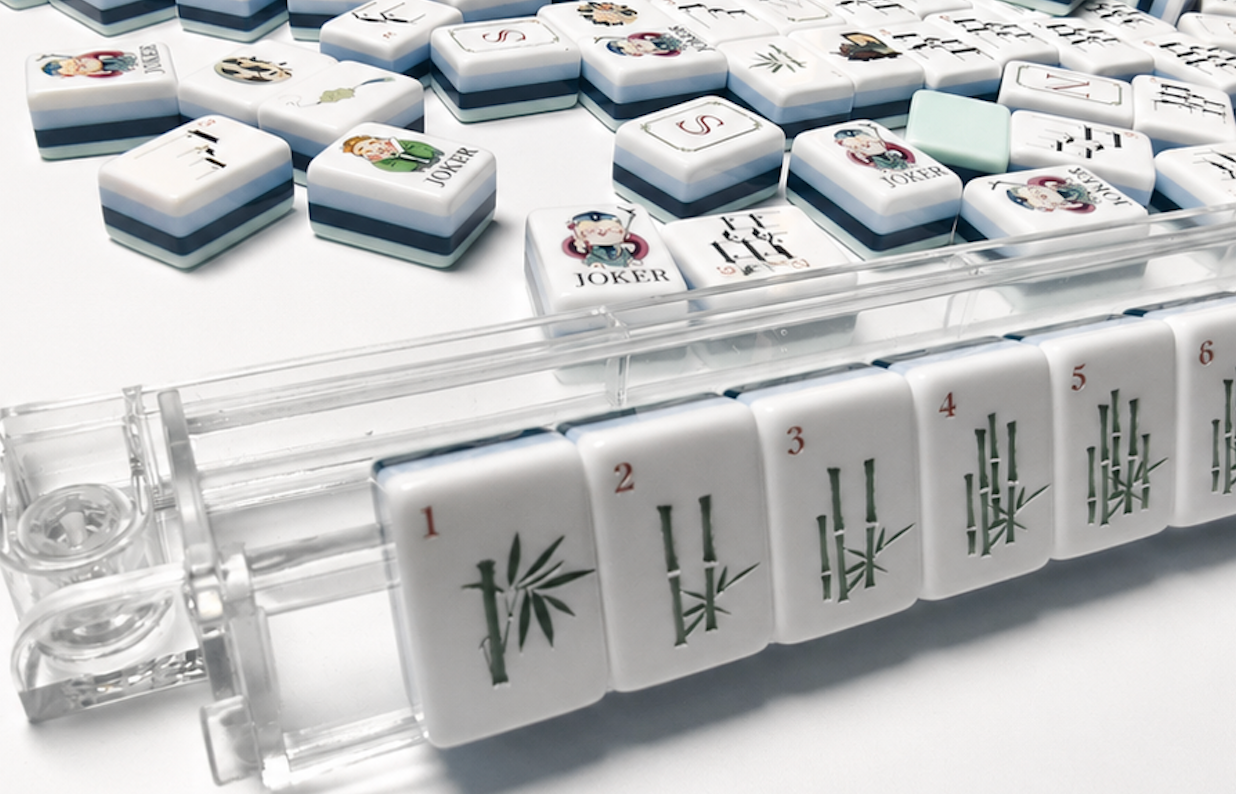
The dimensions of the tiles should guide accessory selection. Confirm the intended rack length, the space available for the tiles and how the pusher works with that combination. A photograph can show a color pairing; a physical fit check establishes whether the pieces work together.
- Record tile dimensions in a consistent unit.
- Check the rack and pusher as one assembly.
- Use the actual sample configuration for the final fit review.
How should accessories support the tile design?
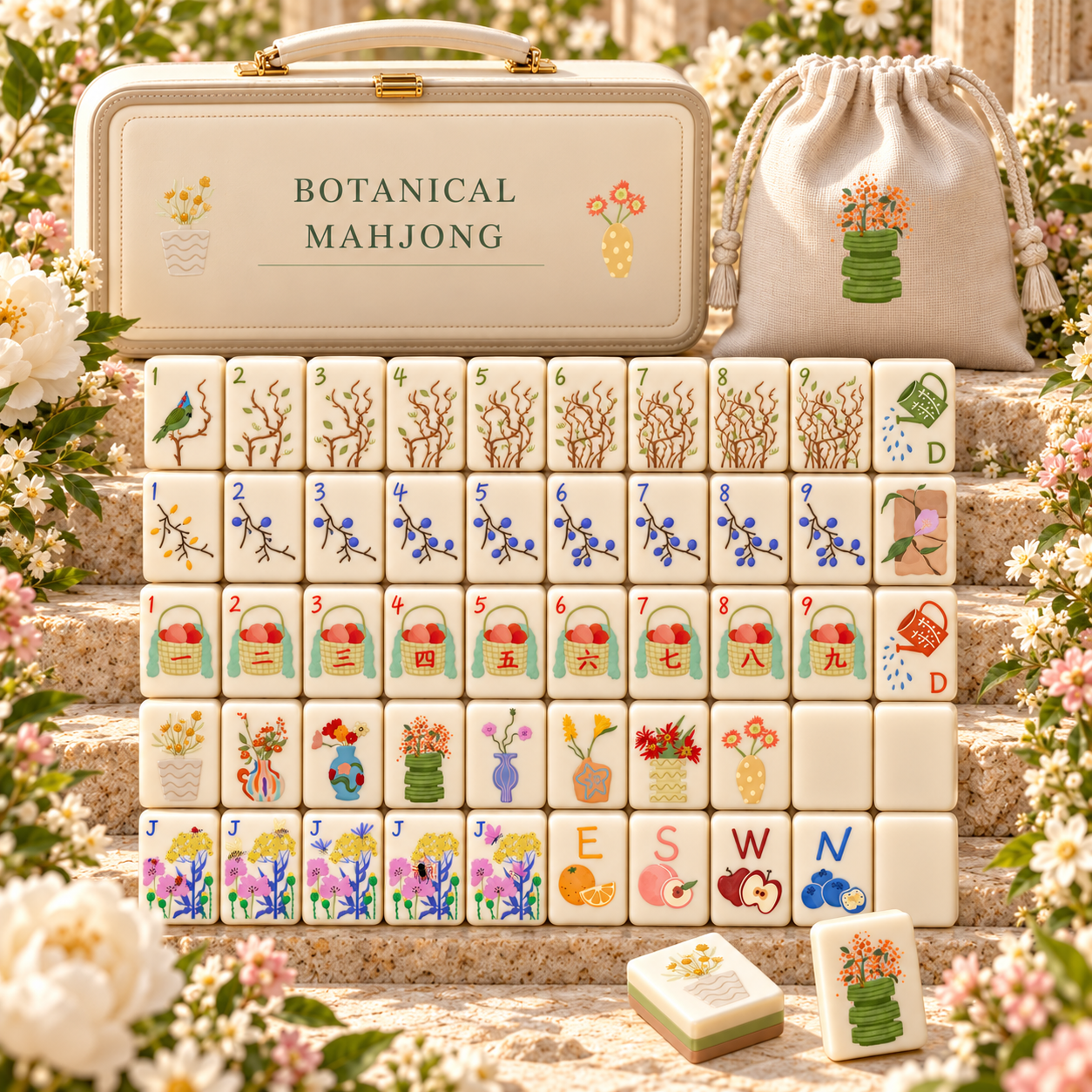
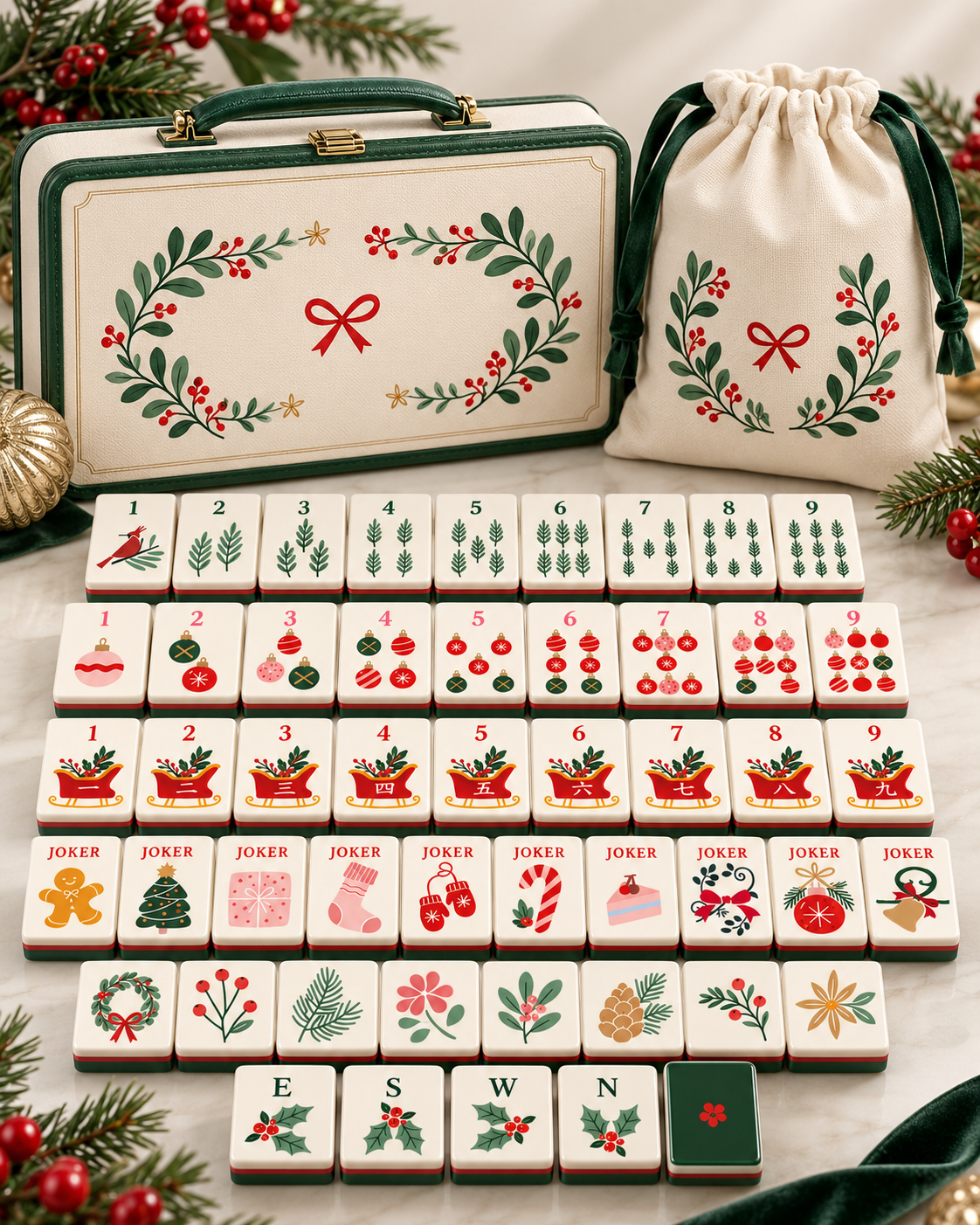
Pick a main color or motif and repeat it selectively across the set. Accessories can support the tile artwork without repeating every detail. Compare the proposed materials together: a printed color, an acrylic body and a fabric surface can look different even when they share the same reference.
What must fit inside the case?
The case or bag should be specified around the complete contents and their protective packaging. Decide whether racks and the mat travel with the tiles or in separate packaging. Identify the compartments, inserts and closures that the project needs, then review the complete packout on the sample.
How should accessories appear in a quotation?
Tiles and accessories may have different quantities, custom options and minimums. Put them on separate lines in the request, even when they are sold as one collection. This makes it easier to compare a complete set with a tiles-only option and to plan replacement accessories or future reorders.
- List quantity per accessory, not only the number of sets.
- Distinguish included components from optional upgrades.
- Confirm the final packed dimensions before freight is priced.
Common questions
Are all mahjong racks compatible with every tile size?
Do not assume compatibility from photographs or a shared product category. Check the rack dimensions, pusher movement and actual tiles together on a physical sample.
Should the mat fit inside the same case?
That is a product decision. State whether the mat travels inside the case, in its own sleeve or as a separate item, then review the packed set accordingly.
Can accessories have different order minimums?
They can have different supply and customization conditions. Ask for the applicable quantity and minimum for each component in the written proposal.
Sources & editorial notes
This article provides CX’s practical planning guidance. It does not report independent product testing or establish a universal manufacturing standard.
Product images and reference dimensions come from the CX collection materials. Materials, tile inventory, included accessories, minimums, pricing and delivery must be confirmed for the specific project.
Prepared by CX Editorial. Corrections and content updates.
PUT THE GUIDE TO WORK
A better brief starts with the right details.
Choose a collection and bring the decisions you have made into your project brief.
Prepare your project briefExplore collections