How to Plan Mahjong Packaging for Retail
Build the box, bag and product information around what customers will actually receive and store.
THE SHORT ANSWER
Plan mahjong retail packaging from the complete set inventory outward: tiles and spares, accessories, protective separation, storage and outer packaging. Approve a fully packed sample, then use that configuration to confirm product descriptions, packed dimensions and the shipping quotation.
What to take into your next conversation
- Distinguish the retail pack from the shipping carton.
- Test the complete packout, including optional pieces that will be sold together.
- Keep packaging text and product-page contents aligned with the approved inventory.
What must the packaging hold?
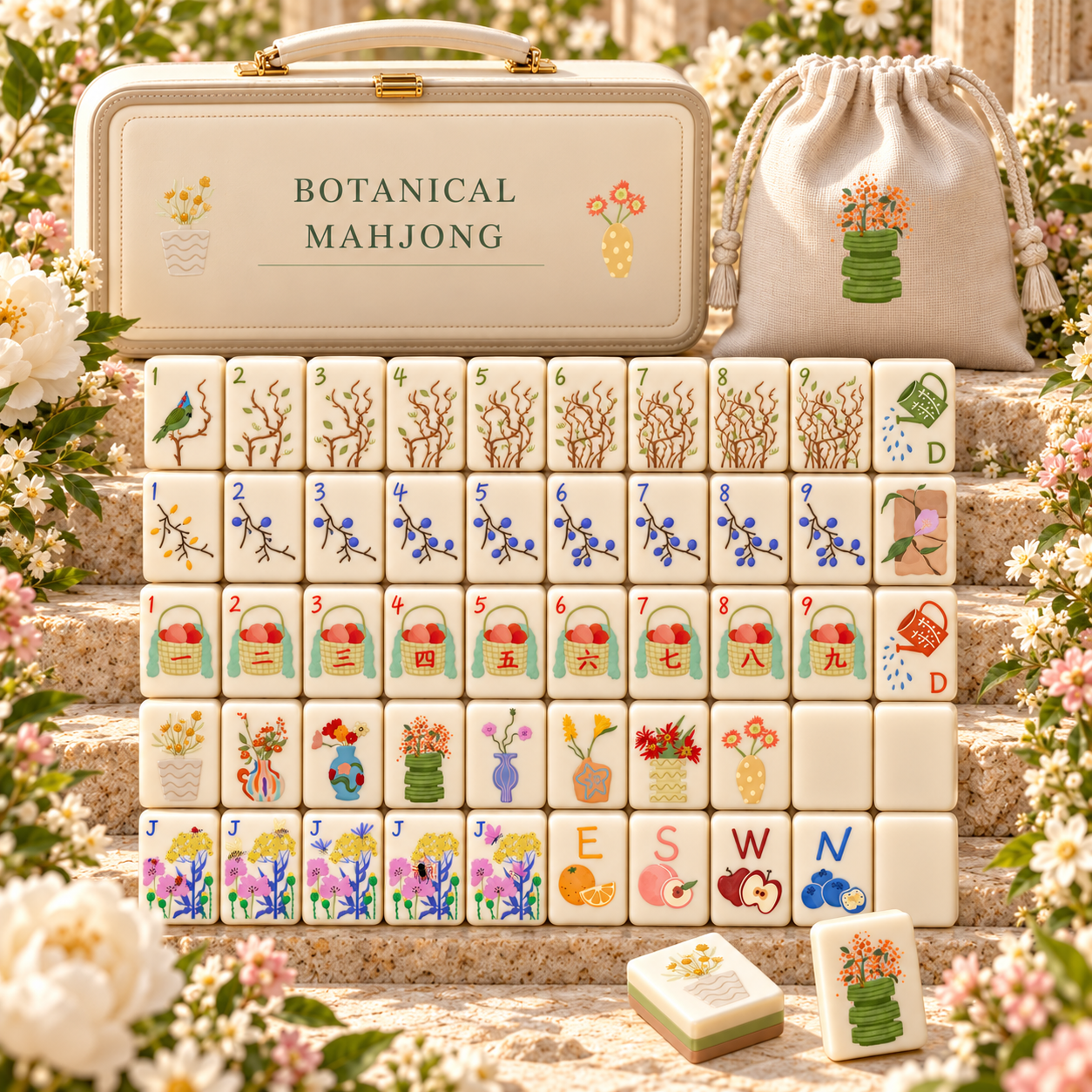
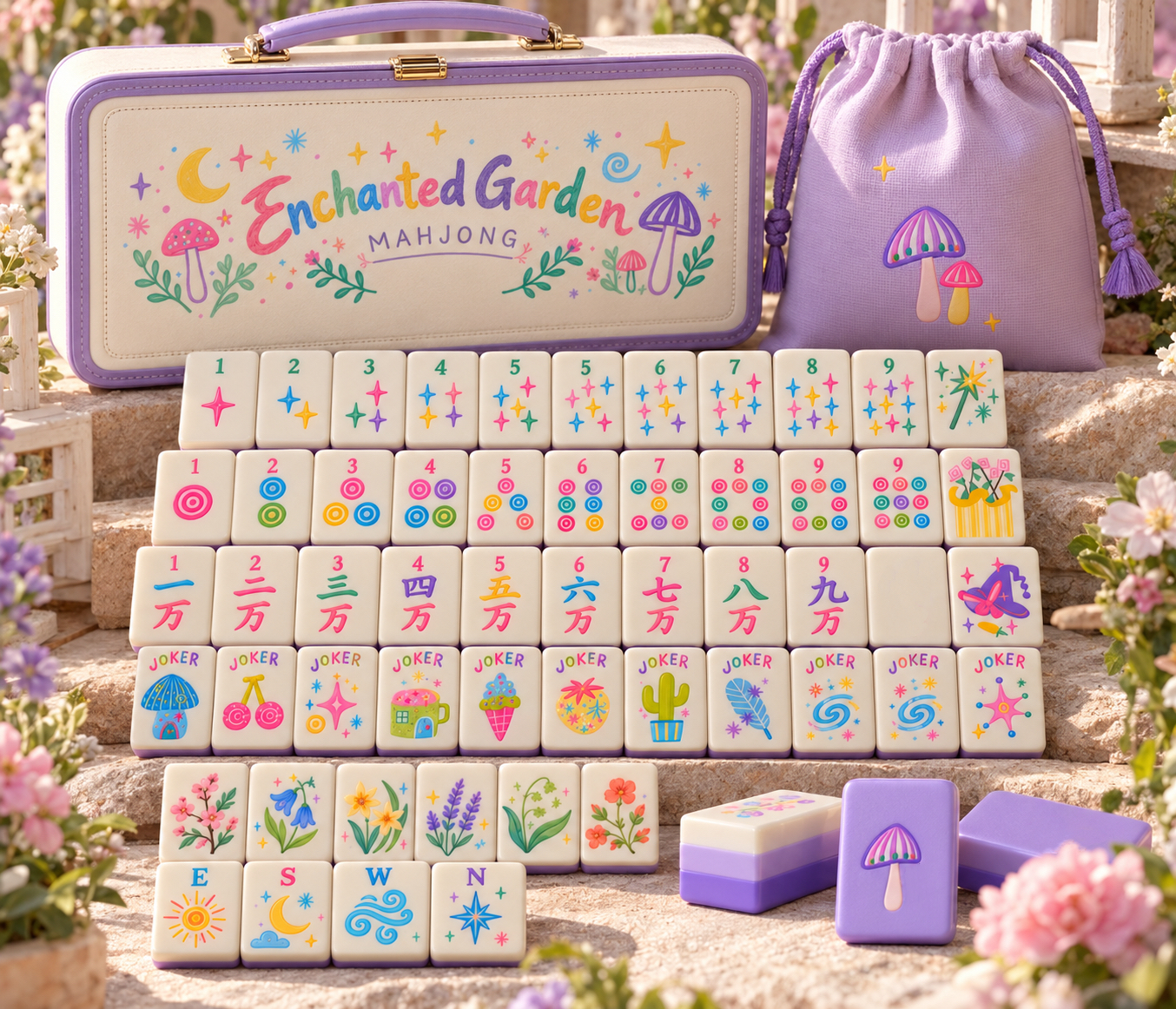
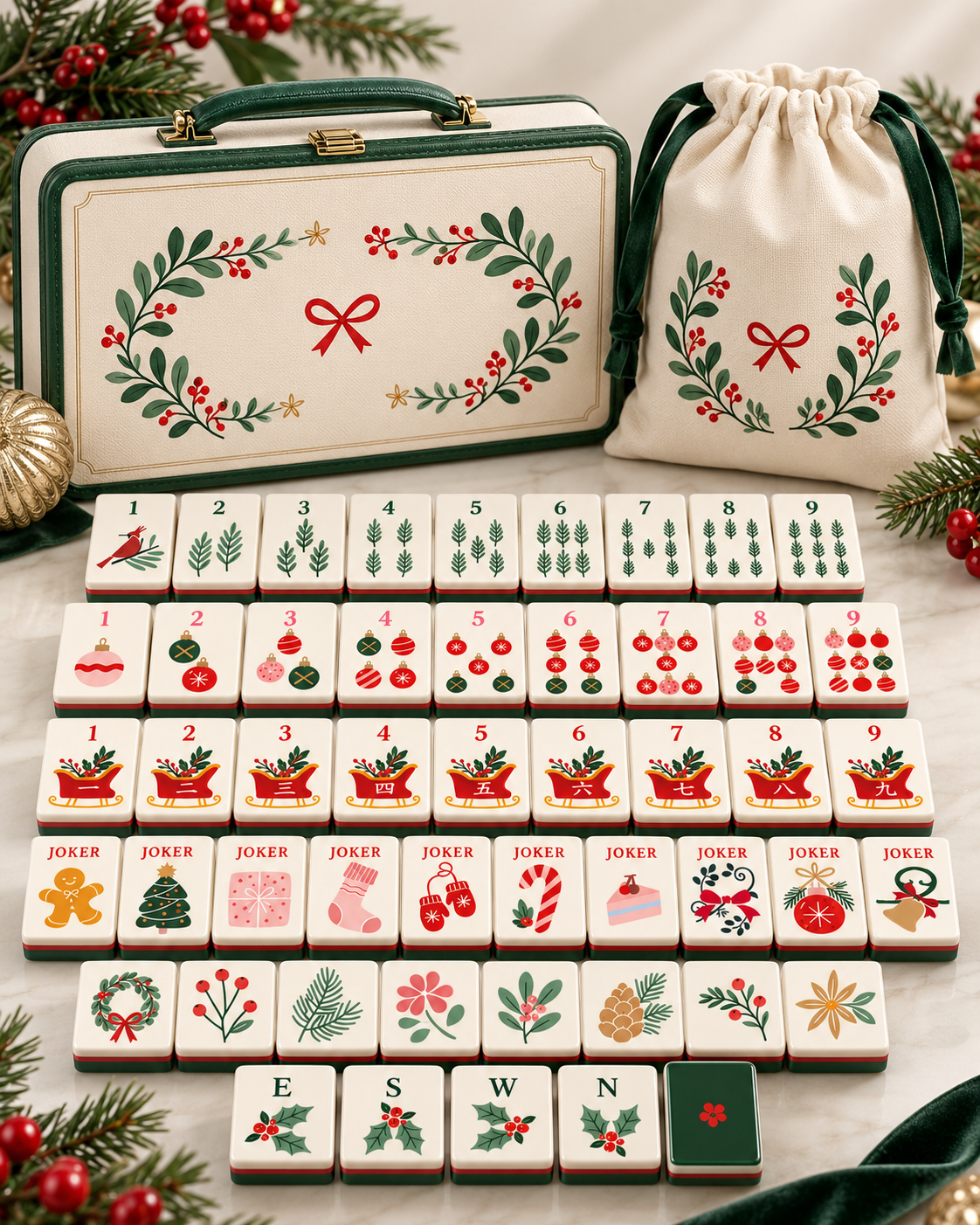
Write a packing list before choosing the outside dimensions or artwork. Include every tile and spare piece, racks, pushers, a mat, any card or instructions you intend to supply, and protective inserts. Decide whether a mat or larger accessory travels separately. For a range with several configurations, create a distinct packing list for each rather than assuming one attractive case will hold them all.
Which packaging layers are you buying?
Name the purpose of each layer so it can be designed and quoted clearly. A reusable carrying case is part of the customer’s product experience. An outer retail box may present the product on a shelf. A shipping carton has a different job. If one component serves several purposes, agree how it will be evaluated rather than assuming a presentation sample proves transport performance.
| Layer | What to review |
|---|---|
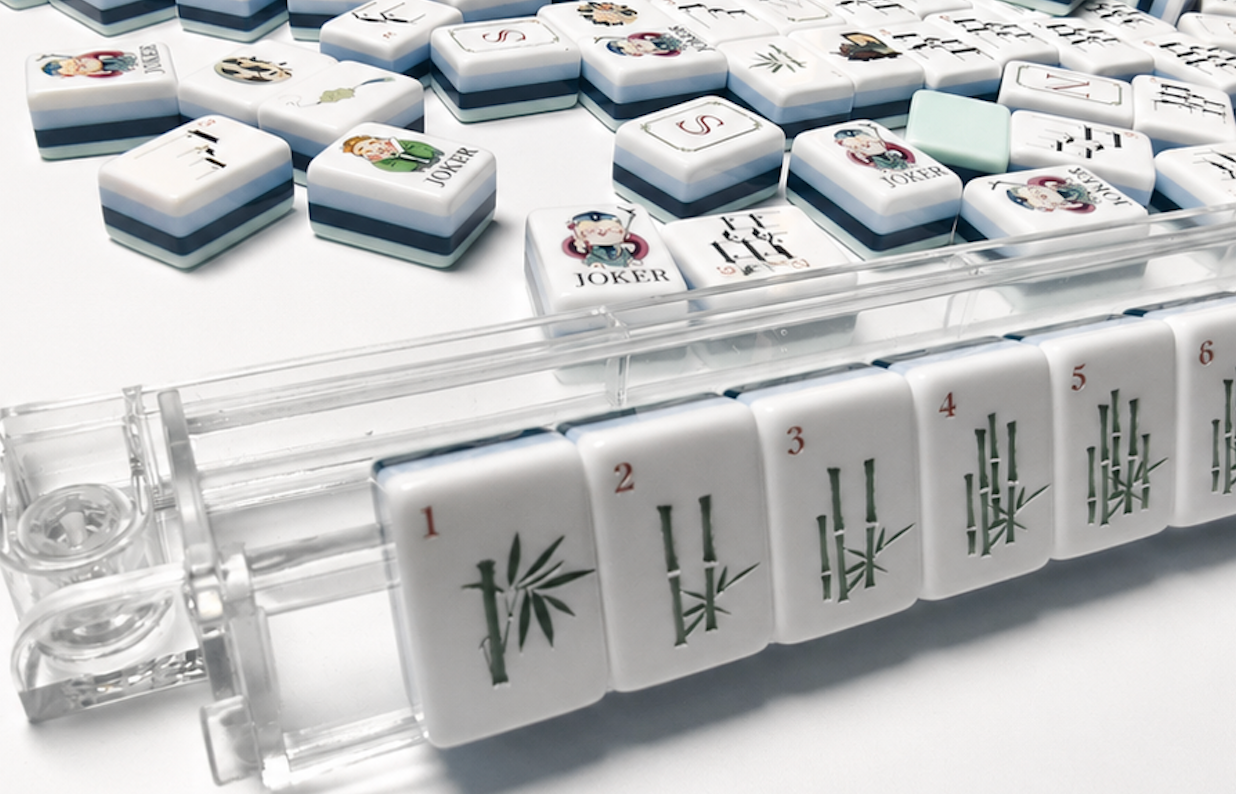
| Tile separation or inserts | Placement, access to the pieces and protection within the agreed packout. |
| Reusable bag or case | Capacity, closures, handles and storage with all included contents. |
| Retail box or sleeve | Brand artwork, product identification and accurate included-content text. |
| Shipping pack | Units per carton, packed dimensions, weight and agreed handling checks. |
What information should the customer see?
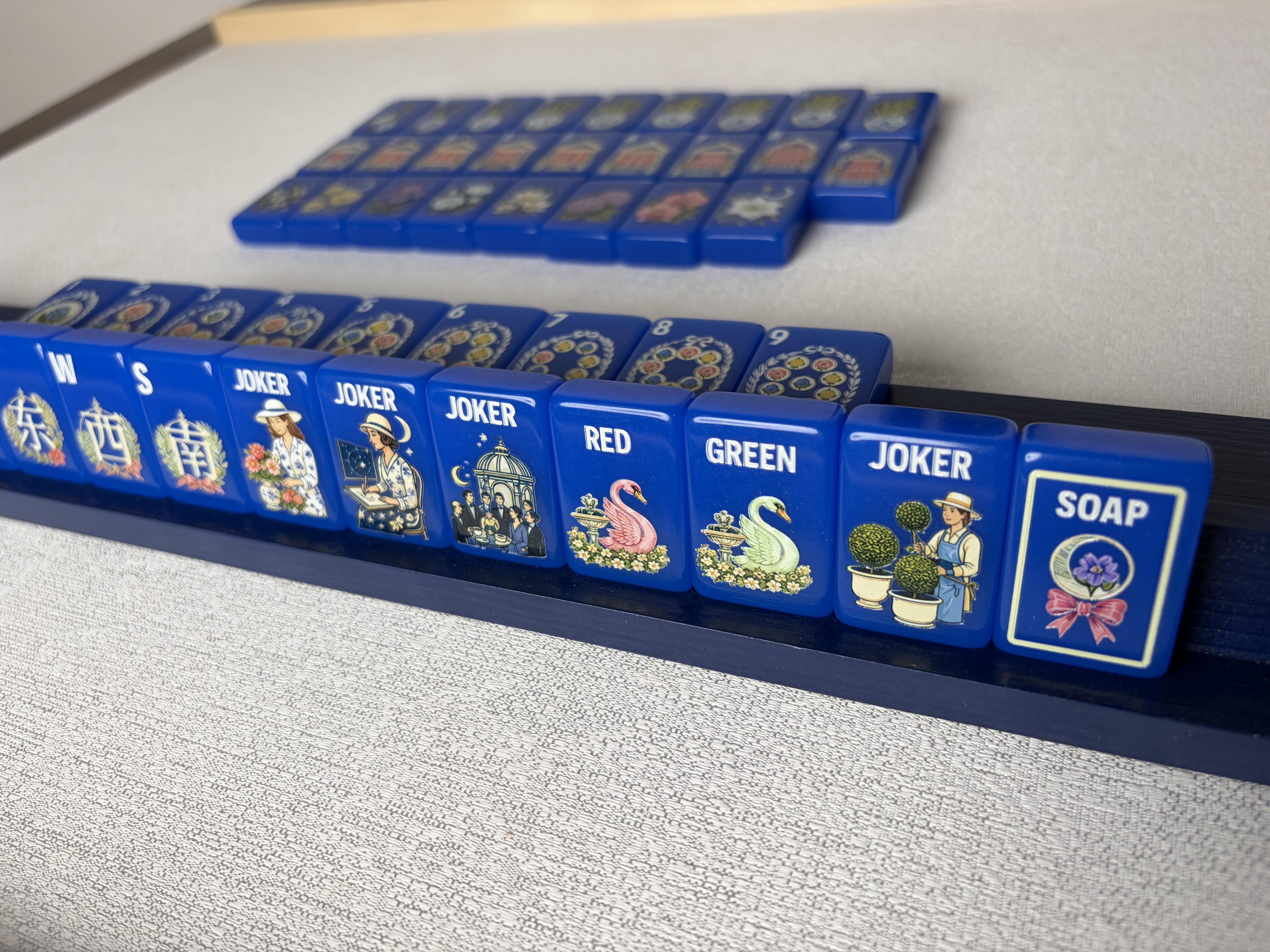
Make the collection name, included components and any separately purchased items easy to find. Use the same names as the product page and packing list. Ask who will supply item identifiers, retailer-specific labels and the approved care information. If a rule card or mat is not included, say so plainly. Confirm any market or retailer requirements with the appropriate party before printing; this planning guide is not a labeling compliance determination.
How do you approve the packed sample?
Pack and unpack the full sample in the intended order. Check that pieces can be removed without forcing them, that closures operate with the contents inside and that instructions or cards remain accessible. Photograph the approved arrangement and record which pieces go in each compartment. Ask for any transport or handling checks needed for your project to be defined separately, including the method and acceptance criteria.
When should packed dimensions be confirmed?
Confirm them after the contents and packaging configuration are settled, and before relying on a delivery quotation. Record unit pack and outer-carton measurements separately, with weight and units per carton. On a reorder, compare the version of the packaging artwork, inserts and inventory with the earlier approval. An extra accessory or new box can change the packout even when the tile design stays the same.
Common questions
Does a carrying case replace a shipping carton?
Do not assume it does. Define the retail, reusable-storage and shipping functions separately and agree the packaging and checks required for your delivery arrangement.
Can one case be used for several tile designs?
Potentially, but approve the fit for each included inventory and dimension set. Color coordination alone does not establish capacity.
When should the final packaging artwork be printed?
After the required text, dimensions, inventory and artwork version have been approved through the agreed process. Keep a dated proof with the packed sample reference.
Sources & editorial notes
This article provides CX’s practical planning guidance. It does not report independent product testing or establish a universal manufacturing standard.
Product images and reference dimensions come from the CX collection materials. Materials, tile inventory, included accessories, minimums, pricing and delivery must be confirmed for the specific project.
Prepared by CX Editorial. Corrections and content updates.
PUT THE GUIDE TO WORK
A better brief starts with the right details.
Choose a collection and bring the decisions you have made into your project brief.
Prepare your project briefExplore collections