How to Compare Wholesale Mahjong Quotes
Put competing proposals on the same basis before deciding which unit price is useful to your business.
THE SHORT ANSWER
Compare wholesale mahjong quotes against the same tile inventory, dimensions, material, artwork, accessory list and quantity per design. Separate recurring product costs from sample, setup, packaging and delivery charges. Record exclusions and approval conditions before treating two headline prices as comparable.
What to take into your next conversation
- Issue one dated specification to every supplier you are comparing.
- Ask for separate prices and quantities for each component.
- Confirm what triggers the production schedule and when the quote expires.
Are both suppliers quoting the same product?
Send the same brief and ask each supplier to mark any departure from it. The brief should define the tile inventory, face and back artwork, dimensions, material and construction, included accessories and packaging. A lower price for a different configuration may still be useful, but it should be recorded as an alternative rather than compared as an identical offer. Keep the original specification number on every quotation.
Which costs should be separate lines?
Create a comparison sheet with one column per proposal and one row per cost or condition. Leave unknown entries blank and ask for clarification; do not silently treat a missing charge as zero. Ask whether a sample or setup charge is one-time, repeats for each artwork revision, or may be credited later under stated conditions. Keep those conditions next to the amount.
| Line to compare | Detail to request |
|---|---|
| Tiles | Price at the actual quantity per design, with the specified inventory. |
| Accessories and retail packaging | Separate quantities, customization and included components. |
| Samples and setup | Scope, revisions, delivery and any written credit conditions. |
| Delivery | Destination, agreed delivery basis, included charges and exclusions. |
| Timing and validity | Approval milestones, schedule assumptions and quotation expiry. |
What does the order minimum apply to?
Clarify whether a stated minimum applies to the whole order, each tile design, each color, a packaging print run or an accessory. Ask for a quote at the quantity you intend to buy, and keep any larger-volume option in a separate column. Combining several designs into one total does not establish that every design meets its own minimum. Reorder quantities may also need a separate written agreement.
When does the quoted lead time begin?
Map artwork preparation, proof approval, physical sampling, production, inspection and delivery as separate stages. Ask which event starts the quoted production period and what happens if artwork or sample approval is delayed. A target arrival date is a planning input; it becomes useful only when the proposed schedule states its assumptions and the buyer’s required decisions.
What should you keep before choosing a supplier?
Save the dated proposal, specification version, sample scope and unresolved questions together. Record any agreed replacement, inspection or issue-resolution process in the purchasing documents. Compare the information you have rather than awarding points for claims that have not been checked. This checklist helps organize a purchasing decision; it does not establish a supplier’s reliability or guarantee an outcome.
Common questions
Is the lowest unit price the lowest total cost?
Not necessarily. Compare the same contents and quantities, then add the separately quoted sample, setup, packaging and delivery charges relevant to your order.
Should I assume an omitted charge is included?
No. Mark it as unresolved and ask the supplier to state whether it is included, excluded or still to be quoted.
Can I combine several designs to meet a minimum?
Only if the supplier confirms that arrangement. Ask how the minimum applies to each design, color, accessory and packaging option.
Sources & editorial notes
This article provides CX’s practical planning guidance. It does not report independent product testing or establish a universal manufacturing standard.
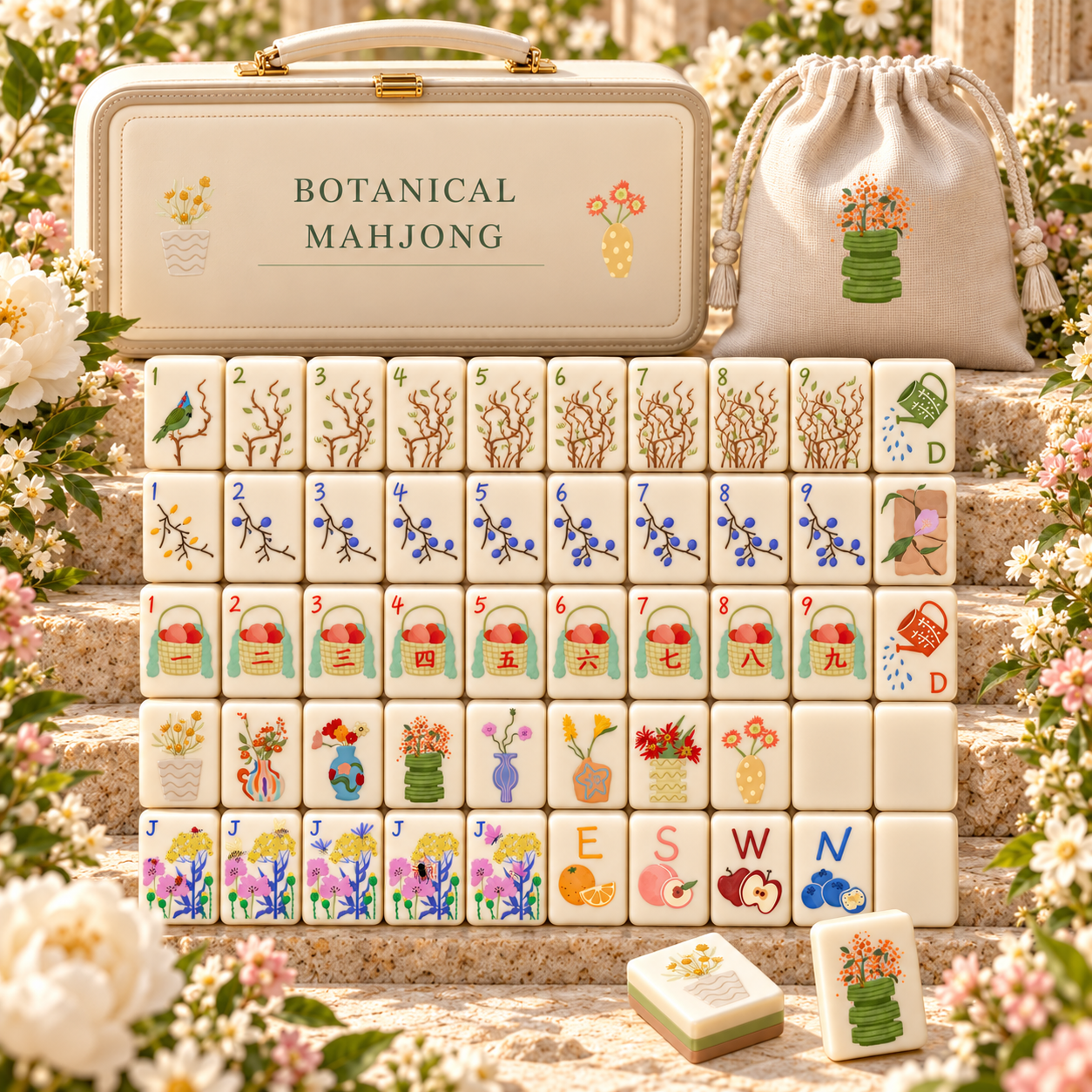
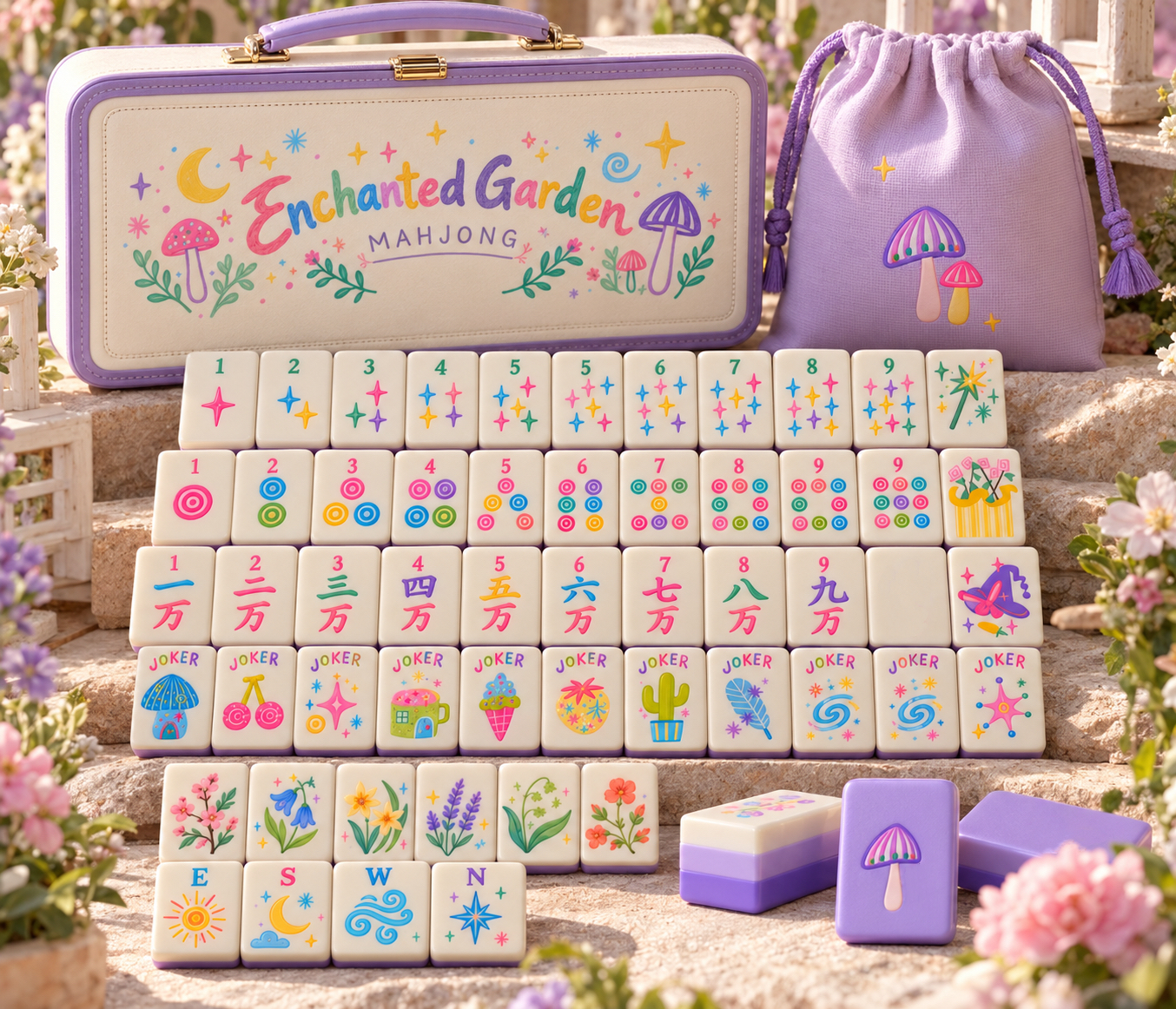
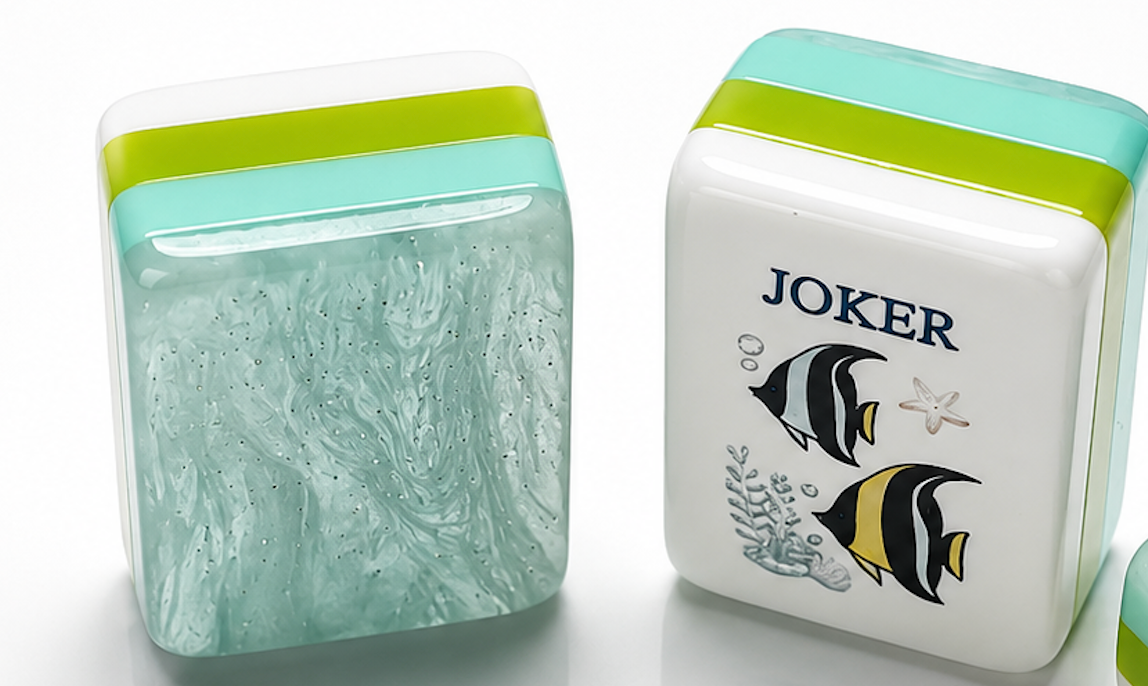
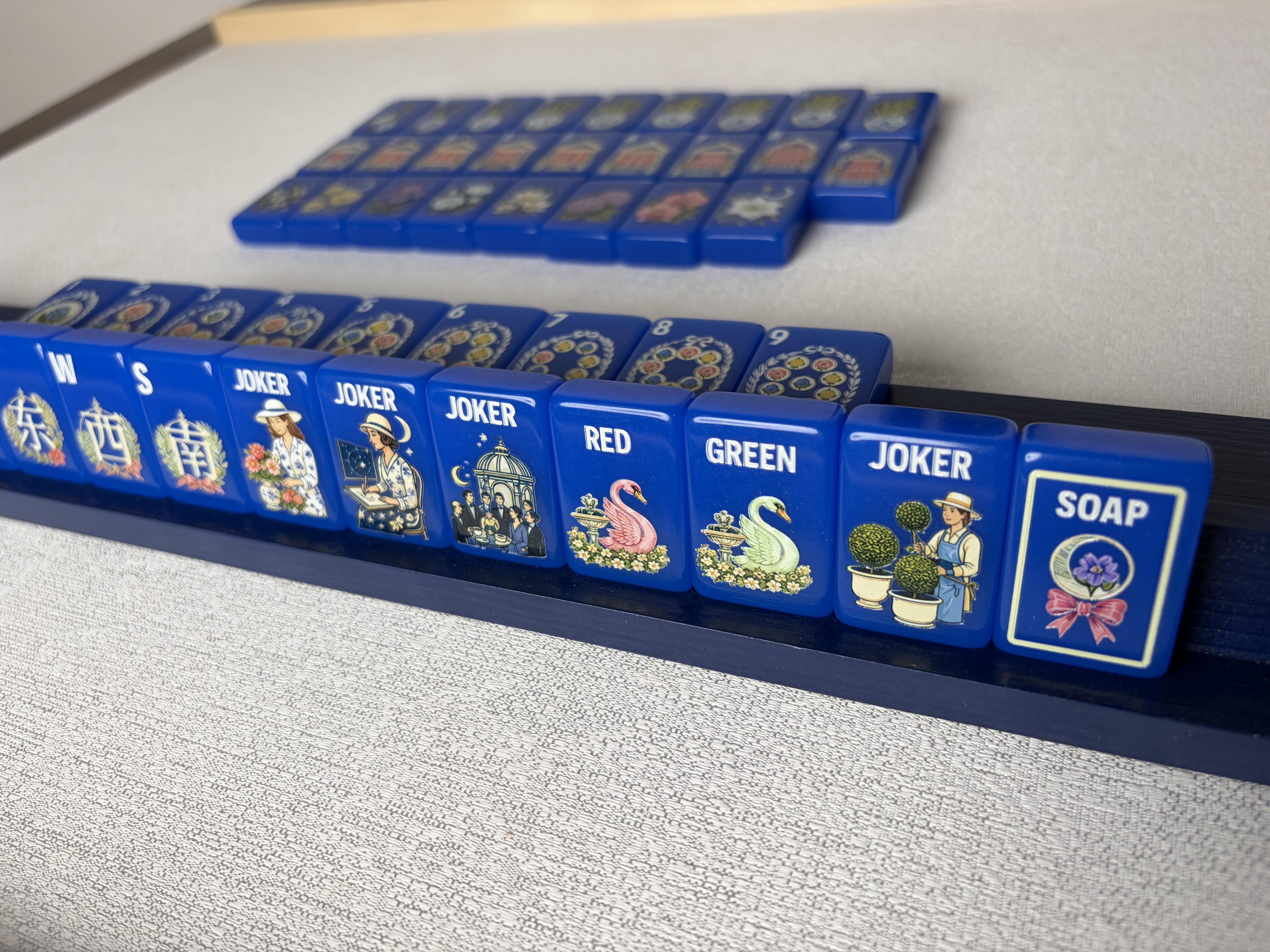
Product images and reference dimensions come from the CX collection materials. Materials, tile inventory, included accessories, minimums, pricing and delivery must be confirmed for the specific project.
Prepared by CX Editorial. Corrections and content updates.
PUT THE GUIDE TO WORK
A better brief starts with the right details.
Choose a collection and bring the decisions you have made into your project brief.
Prepare your project briefExplore collections