How to Plan an American Mahjong Collection for Retail
Turn an idea into a useful product brief: the collection, the customer, the pieces and the decisions that come next.
THE SHORT ANSWER
Start a retail mahjong collection with a written brief covering your customer, design direction, complete set contents, planned quantity and target arrival date. Confirm the specification and sample before treating a product image or initial quote as an approved order.
What to take into your next conversation
- Choose a customer and sales channel before expanding the range.
- List tiles, spare pieces and accessories separately.
- Keep one approved specification for photography, ordering and reorders.
Who will buy the collection?
A boutique gift collection, a club set and a new brand launch need different decisions. Before choosing a color, write down who the set is for, where it will be sold and what the buyer should notice first. This gives every later choice a reason.
- Describe your intended customer and sales channel.
- Choose one clear visual direction for the first collection.
- Set a target budget range and a realistic launch window.
What belongs in the complete set?
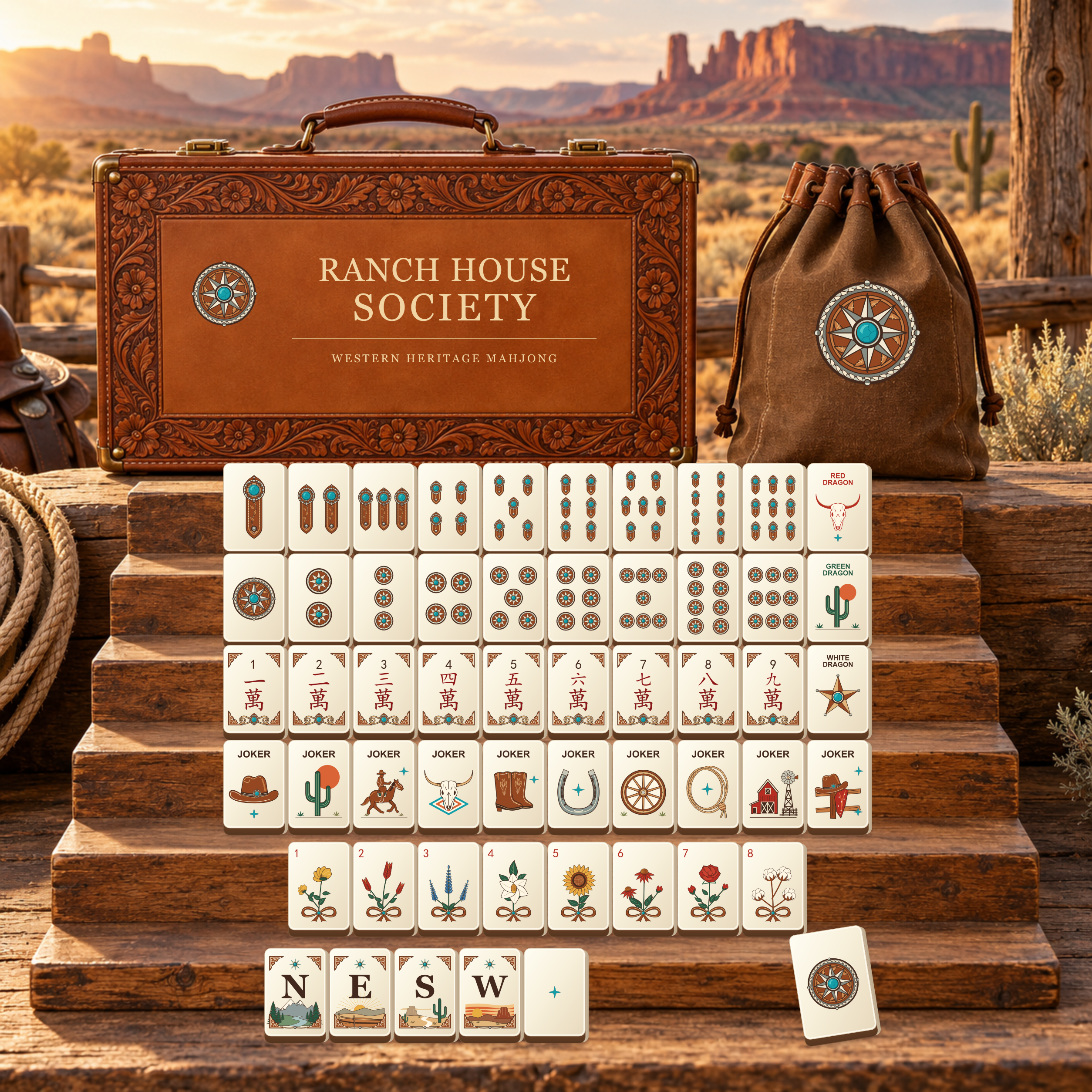
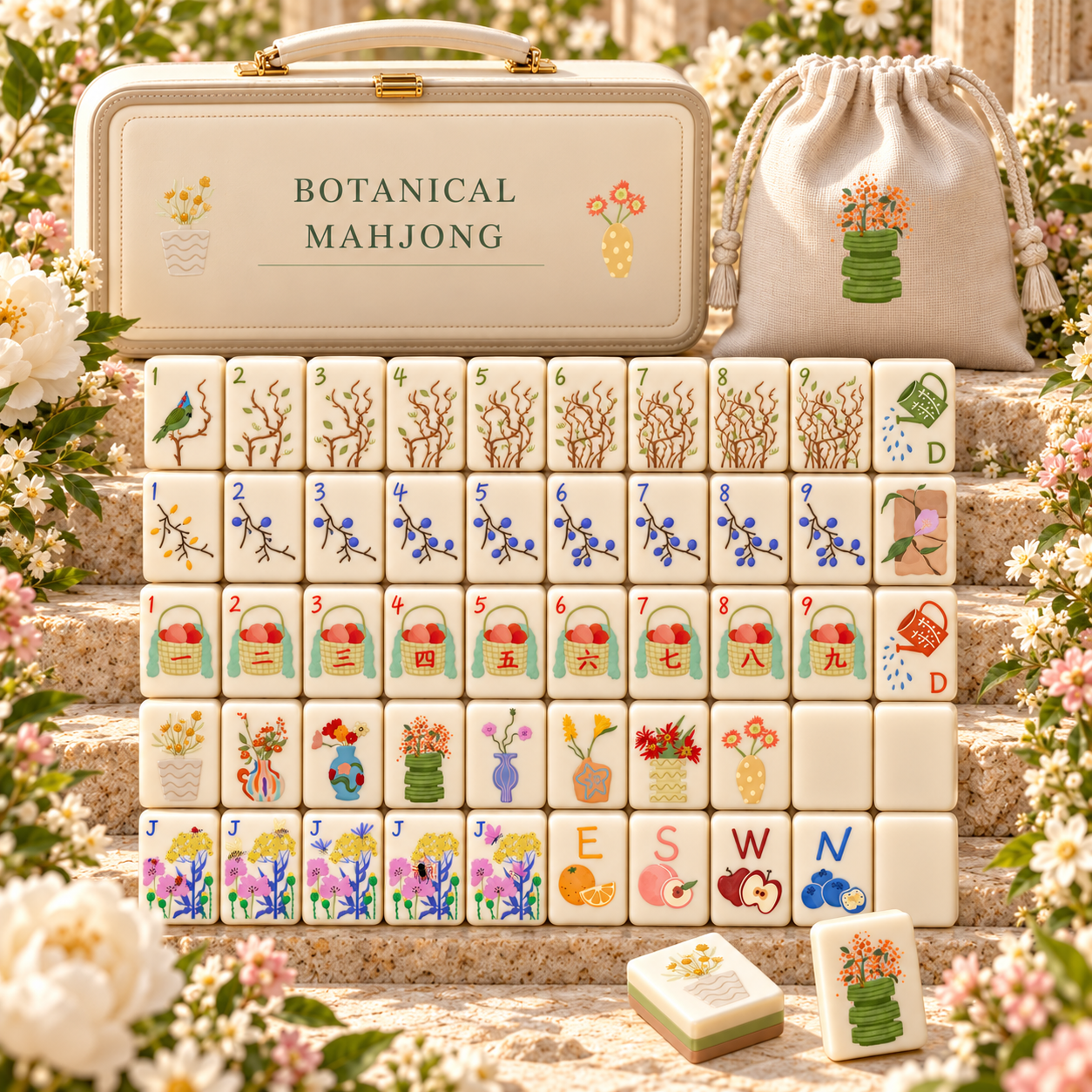
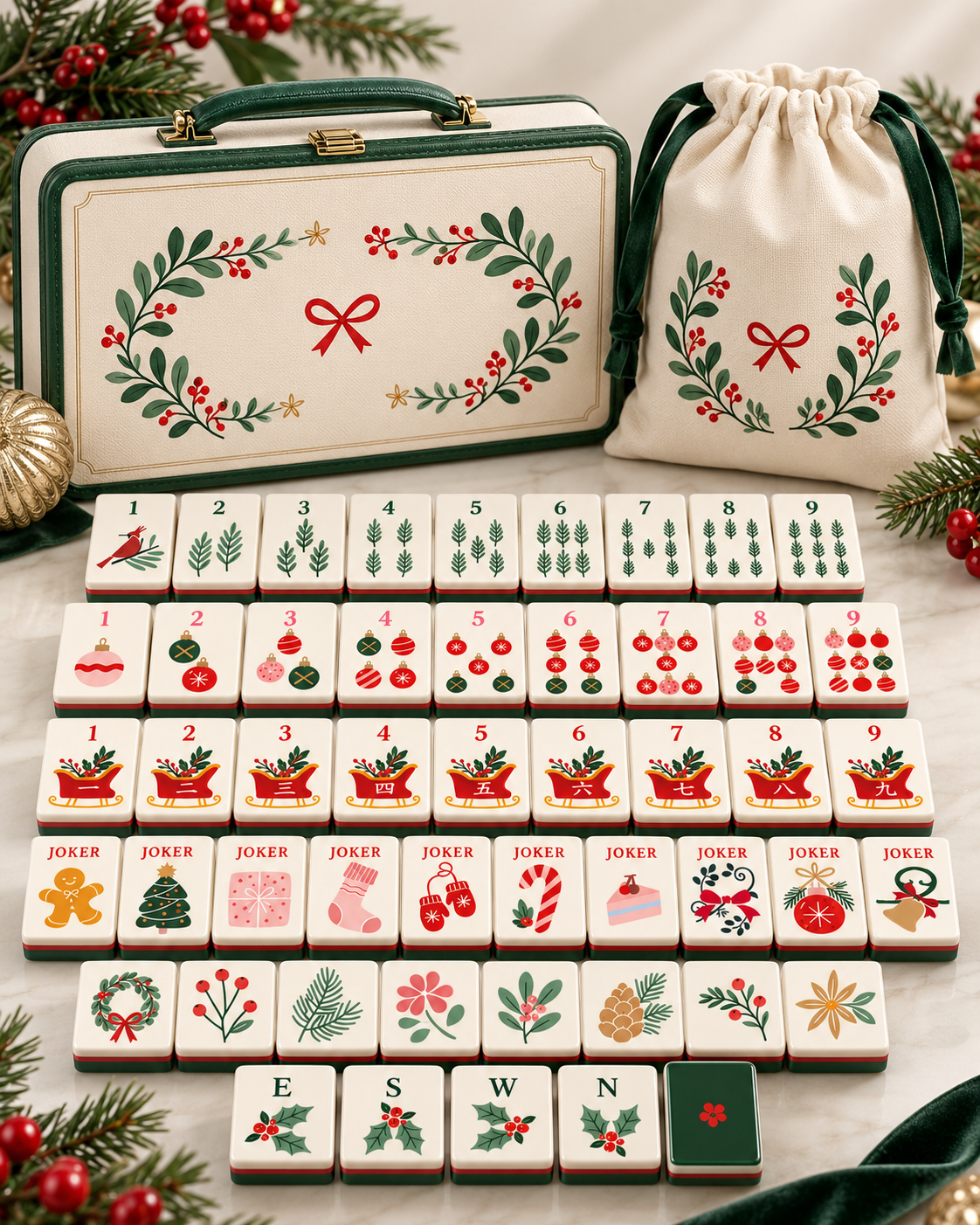
Decide whether you are sourcing tiles alone or a coordinated set. Racks, pushers, a mat and a carrying case affect the product experience as well as the packed size. Keep included pieces separate from optional extras. A precise inventory is more useful than a general description such as “deluxe set.”
- List each tile type and the spare tiles separately.
- Record the quantity of each accessory.
- Note which items need your artwork, color or logo.
How many designs should a first range include?
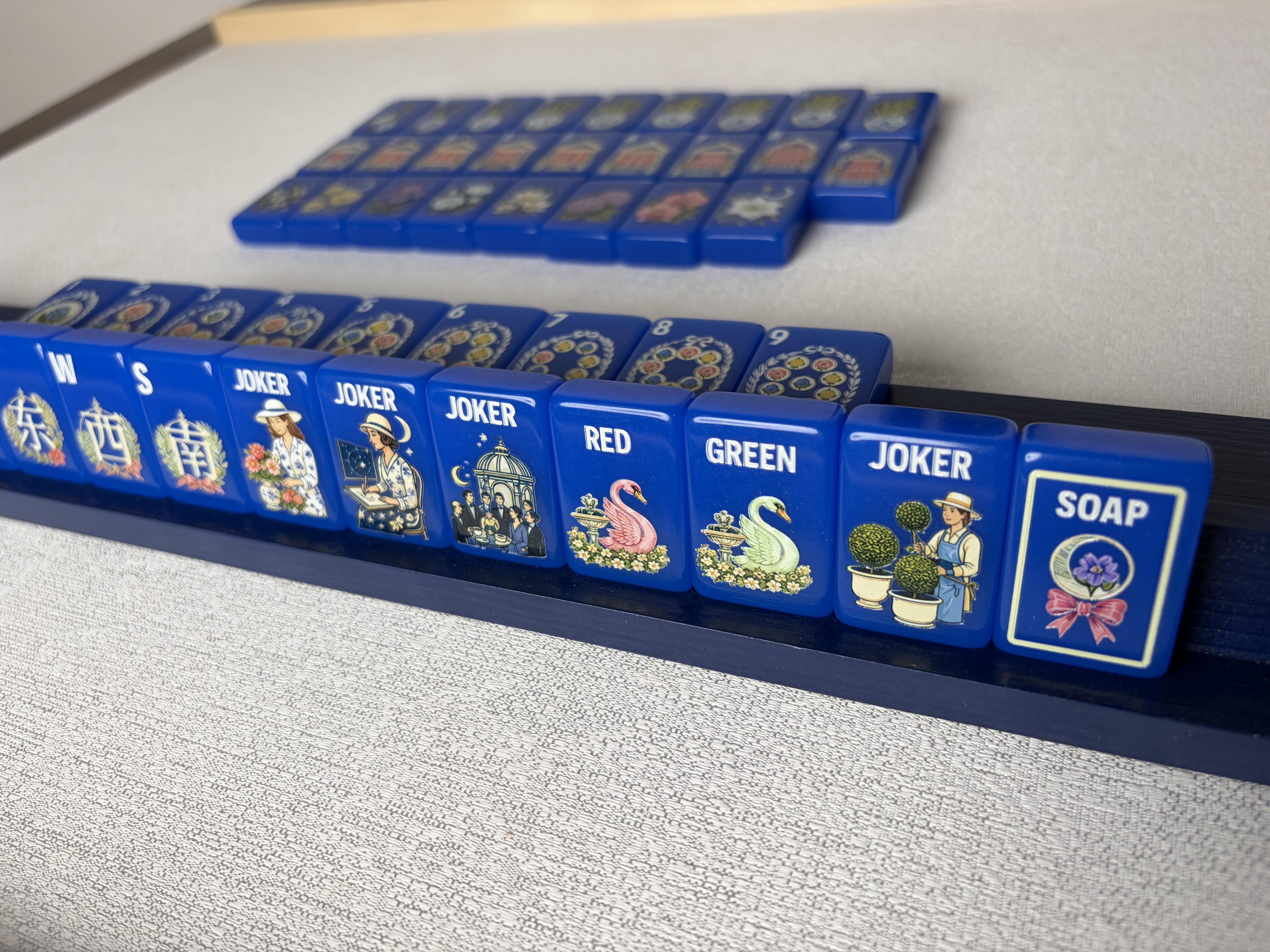
Begin with a collection you can photograph, describe and reorder clearly. Several coordinated options can be stronger than many unrelated designs. For each option, keep a single record of its name, dimensions, materials, artwork version and packaging. That record will support product pages, samples and future purchase orders.
What should happen before the launch date is fixed?
Share the planned quantity per design, delivery destination and desired arrival date with your product brief. Sampling, approval, production and freight are separate stages. Ask for a schedule that includes all of them, and confirm which open decisions could change the cost or timing. A website image is a starting point; your approved specification and physical sample define the order.
- Request a quote for the quantity you actually plan to buy.
- Allow time to review the sample and resolve changes.
- Keep the approved sample and final specification for the next order.
Common questions
Can I start with one mahjong design?
Yes. One clearly specified design can be a useful starting point. Ask for its order minimum and reorder conditions, and add options only when you can describe and support them clearly.
Should accessories be included in the first quote?
Include every component you want priced, but separate tiles, racks, mats, cases and packaging into individual lines. This shows the difference between a tiles-only option and a coordinated set.
Does a product photograph confirm the order contents?
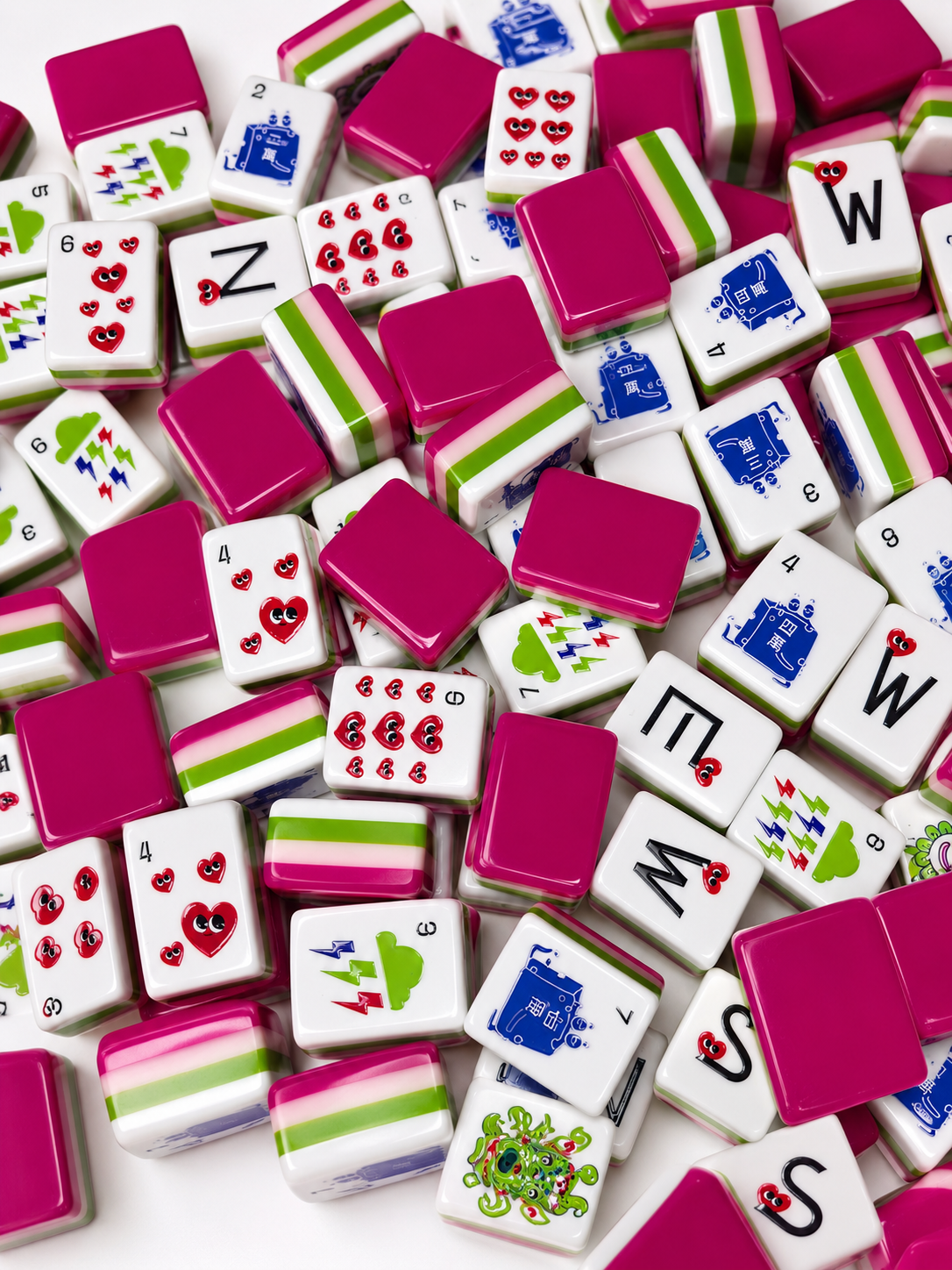
No. A photograph is a visual reference. The written inventory, dimensions, material specification and approved sample establish the configuration you intend to buy.
Sources & editorial notes
This article provides CX’s practical planning guidance. It does not report independent product testing or establish a universal manufacturing standard.
Product images and reference dimensions come from the CX collection materials. Materials, tile inventory, included accessories, minimums, pricing and delivery must be confirmed for the specific project.
Prepared by CX Editorial. Corrections and content updates.
PUT THE GUIDE TO WORK
A better brief starts with the right details.
Choose a collection and bring the decisions you have made into your project brief.
Prepare your project briefExplore collections